What Is Specialty Coffee? And Why Everyone’s Suddenly Obsessed with It
If you’ve ever heard someone order a “washed single-origin Yirgacheffe with bright acidity and floral notes,” and you suddenly felt like you walked into a sommelier’s secret society—don’t worry, you’re not alone.
Welcome to the wonderful, complex, and flavor-packed world of specialty coffee—where the beans are elite, the farmers are honored, and every sip tells a story.
But what exactly is specialty coffee? And why does it feel like everyone from your local barista to your TikTok algorithm is obsessed with it?
Grab your favorite mug, and let’s decode the buzz.
So, What Is Specialty Coffee, Really?
Let’s get one thing straight: specialty coffee isn’t just marketing fluff or a fancy label slapped on an overpriced bag of beans. It’s a legit classification backed by expert grading, careful farming, and a deep respect for the coffee process—from seed to sip.
In fact, specialty coffee is more like a philosophy than a product. It’s about quality, sustainability, transparency, and a shared obsession with the craft. And yes—it does taste better.
Let’s break it down.
The Official Definition (Yes, There’s Science Involved)
According to the Specialty Coffee Association (SCA)—the global authority on coffee quality—specialty coffee is any coffee that scores 80 points or higher on a 100-point scale after undergoing a standardized tasting and grading process called “cupping.”
This grading evaluates:
- Aroma
- Flavor clarity and complexity
- Sweetness and acidity balance
- Mouthfeel (a.k.a. body)
- Aftertaste
- Lack of defects (like mold, bitterness, or off-flavors)
In short: specialty coffee is the best of the best—only around 10% of the world’s coffee ever qualifies.
It’s like the Olympics of coffee beans, and only the elite get a gold medal (or, in this case, a score above 80).
The Journey: From Farm to Cup (With No Weak Links)
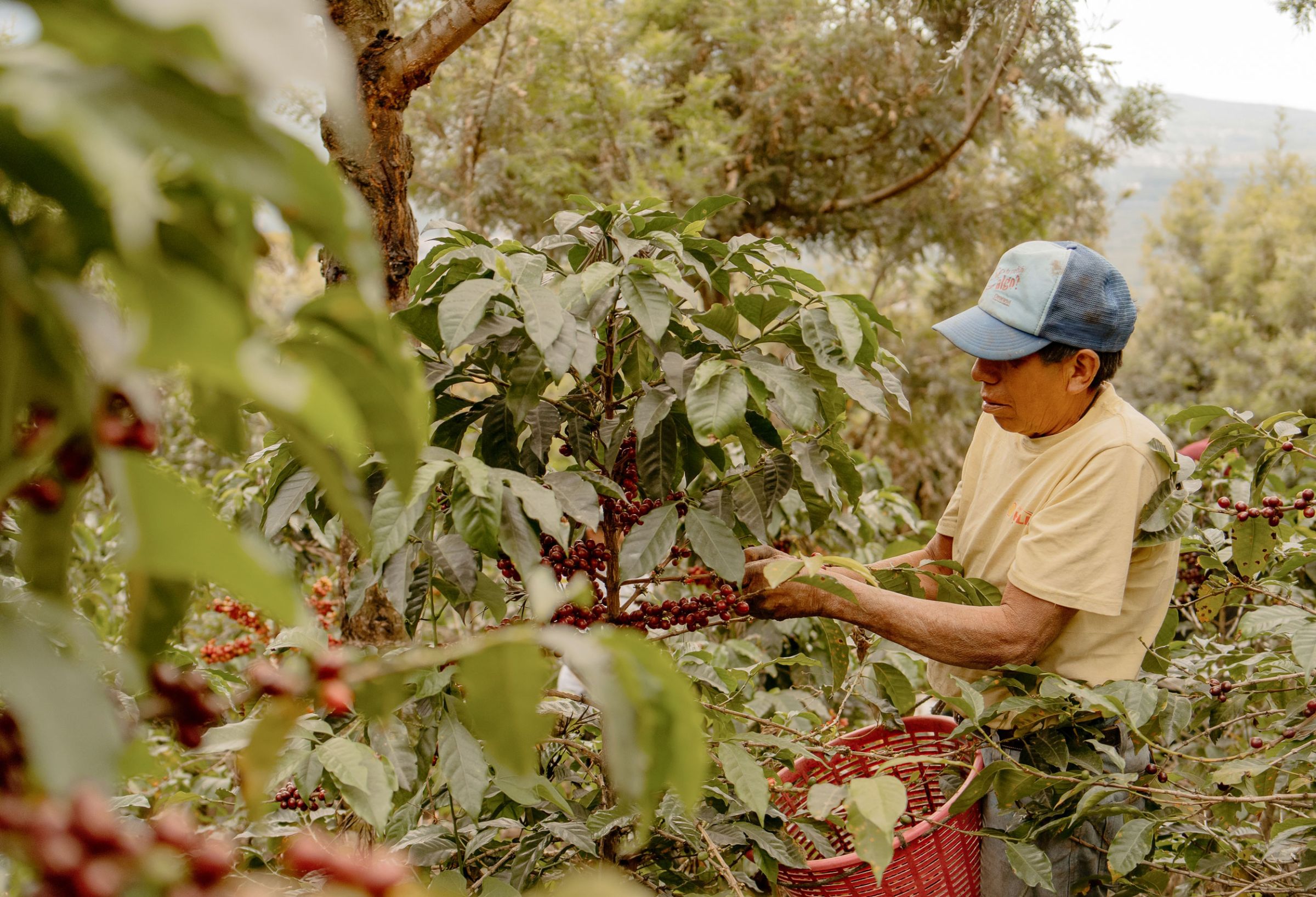
What makes coffee “specialty” isn’t just what happens in the cup. The entire supply chain matters—and everyone involved is held to a higher standard.
Here’s what makes the journey of specialty coffee, well… special:
1. Exceptional Farming
Specialty coffee starts with high-elevation, carefully cultivated farms, where coffee is often grown under shade trees, handpicked when ripe, and processed with precision.
Farmers aren’t just growers—they’re stewards of the land and masters of their microclimates.
2. Meticulous Processing
The cherries (that’s what coffee beans grow inside) are washed, dried, or fermented using methods like:
- Washed (wet) process
- Natural (dry) process
- Honey process
Each process affects the final taste. Specialty producers carefully control fermentation, drying times, and moisture levels to highlight the bean’s origin flavors.
3. Expert Roasting
Unlike commodity coffee—which is often roasted dark to hide flaws—specialty coffee is roasted to enhance the bean’s natural character. That might mean a lighter roast to bring out fruity or floral notes, or a medium roast to highlight nuttiness and balance.
Roasters treat it like a science—and an art.
4. Skillful Brewing
The final step? YOU. Whether it’s a pour-over, French press, espresso, or cold brew, the brewing method is the final act in the specialty coffee play.
Brewing it well preserves all the nuance and care that came before your cup.
Not All "Fancy Coffee" Is Specialty Coffee
Let’s pause for a truth bomb:
“Specialty coffee” is not the same as “gourmet,” “premium,” or “artisanal.”
Those terms are unregulated and often just marketing jargon. Specialty coffee, by contrast, is scored, tracked, and held accountable to international quality standards.
In this post I explained in a looot of details (including all of the parameters above) how to choose the best beans for home brewing.
So next time you see a $20 bag of beans labeled “gourmet,” check if it actually tells you:
- The origin (country, region, farm, or even microlot)
- The processing method (washed, natural, etc.)
- The roaster
- The tasting notes
- The SCA score (if available)
If it doesn’t? It might be fancy—but it’s not specialty.
In Essence: Why It Matters
Specialty coffee is about flavor, yes—but it’s also about:
- Fair treatment of farmers
- Environmental responsibility
- Transparency and traceability
- A better experience for the drinker (that’s you)
It invites us to slow down, pay attention, and truly appreciate the craft in our cup.
So when someone asks, “What’s specialty coffee?”—you can tell them:
“It’s coffee that’s grown with care, processed with precision, scored by experts, roasted with intent, and brewed with purpose. It’s not just a drink—it’s an experience.”
Specialty vs Regular Coffee: What’s the Difference?
Let’s be honest: to the untrained eye (and taste buds), coffee is coffee. Brown beans, hot water, some sugar and cream if you’re into that, and boom—you’re caffeinated and ready to pretend you have your life together.
But when we talk about specialty coffee vs regular coffee, we’re comparing two entirely different coffee worlds—like comparing a gourmet farm-to-table meal with fast food. They might both fill you up, but only one tells a story, respects the ingredients, and makes you feel something.
Let’s break down the major differences between specialty and commodity (regular) coffee across the full journey—from farm to flavor.
1. Where It Comes From (Traceability vs Mystery Mix)
Specialty coffee:
- Always traceable. You’ll know the country, region, farm—and sometimes even the name of the producer or the altitude it was grown at.
- Often single-origin, meaning all beans come from one location or even a single estate or microlot.
- Each origin has a distinct flavor profile—just like wine regions.
Regular coffee:
- Typically blended from multiple origins, sometimes from different continents.
- No traceability—you have no idea who grew it, where it came from, or how it was processed.
- Often built for consistency, not uniqueness.
Think of specialty as a carefully curated travel itinerary. Regular coffee is the generic airport lounge sandwich.
2. Quality & Grading (Olympians vs “Everyone Gets a Trophy”)

Specialty coffee:
- Graded by licensed Q Graders (yes, that’s a real thing).
- Must score 80+ points on a 100-point SCA scale.
- Beans are virtually defect-free—meaning no moldy, insect-damaged, or underdeveloped beans.
Regular coffee:
- Graded for bulk sale—not quality.
- Often includes beans with defects, uneven roast potential, and lower flavor potential.
- Prioritizes quantity and price over excellence.
Specialty coffee is an elite athlete. Regular coffee is... intramural league energy.
3. Flavor Profiles (Flavor Explosion vs Roasty Generic)
Specialty coffee:
- Flavor notes can include blueberry, jasmine, bergamot, citrus, dark chocolate, and more.
- High complexity, clarity, and balance.
- Different beans = different flavors. One cup might be floral and tea-like; another might be syrupy and bold.
Regular coffee:
- Tends to taste burnt, bitter, flat, or generic—due to low-grade beans or overly dark roasting.
- Flavors are often masked by sugar, cream, or flavored syrups.
- One-size-fits-all taste.
Specialty coffee is a canvas of flavor. Regular coffee is black-and-white paint-by-numbers.
4. Roasting Approach (Precision vs Overcompensation)
Specialty coffee:
- Roasted to highlight the natural characteristics of the bean.
- Lighter roasts are common to preserve nuance.
- Roasters often create profiles for each specific bean to unlock its best potential.
Regular coffee:
- Often roasted very dark to create uniformity and cover imperfections.
- Think of that “burnt popcorn” or “ashy rubber” taste some chain coffees have? Yep.
Specialty is about revealing. Regular is about masking.
5. Price & Value (Premium, But Worth It)
Specialty coffee:
- Usually more expensive—but you’re paying for:
- Higher bean quality
- Better labor practices
- Sustainability
- Flavor experience
- Direct trade or fair trade practices are common.
Regular coffee:
- Often cheap because:
- Grown in massive, industrial farms
- Low farmer compensation
- Focus on scale, not sustainability
Specialty coffee costs more—because it’s worth more.
6. Ethics & Transparency (People Matter)
Specialty coffee:
- Strong focus on ethical sourcing, environmental responsibility, and farmer empowerment.
- Often involves direct relationships between roasters and producers.
- Promotes better wages, eco-friendly practices, and community development.
Regular coffee:
- Commonly sold through commodity markets (C-Market), where prices can fall below production cost.
- Exploitative labor and unsustainable farming are ongoing issues.
Every specialty cup is a vote for a more sustainable, equitable coffee industry.
Comparison Table
| Feature | Specialty Coffee | Regular Coffee |
| Origin | Single-origin, traceable | Often unknown blend |
| Bean Quality | High grade, defect-free | Mixed grade, often flawed |
| Roasting | Tailored, often light/medium | Uniform, often very dark |
| Flavor | Unique, complex, clean | Bitter, bland, or overly roasted |
| Price | Higher (but ethical) | Lower (but less transparent) |
| Ethics | Fair, sustainable, transparent | Often mass-produced, opaque sourcing |
So... Why Does It Matter?
Because not all coffee is created equal.
Specialty coffee offers a flavorful, ethical, and mindful drinking experience. Regular coffee can get the job done—but it often comes with hidden costs: bland taste, unsustainable practices, and a disconnected supply chain.
So the next time you're choosing your beans, ask yourself:
Are you looking for caffeine... or an experience?
Why Is Everyone Suddenly Obsessed?
Great question. And no, it’s not just because it looks good on Instagram.
1. Flavor Exploration Is the New Wine Tasting
Specialty coffee offers a tasting experience. From citrusy Ethiopian beans to chocolaty Guatemalan brews, people are now learning to identify notes, acidity, and body—just like wine or craft beer.
It’s not just coffee. It’s coffee with character.
2. Ethical & Sustainable Sipping
The specialty industry is big on transparency—paying fair prices, reducing environmental impact, and showcasing small farmers.
In a world where consumers want values with their value, this matters.
3. The Rise of Coffee Snobs (But Make It Friendly)
Let’s be honest: Third wave cafés have made coffee... kind of sexy. Baristas wear aprons like lab coats, pour latte art like it's fine art, and brew using gadgets that look straight out of NASA.
But the culture has evolved: it’s no longer about being exclusive, it’s about inviting people in to learn and appreciate coffee on a deeper level.
4. Home Brewing Is the New Hobby
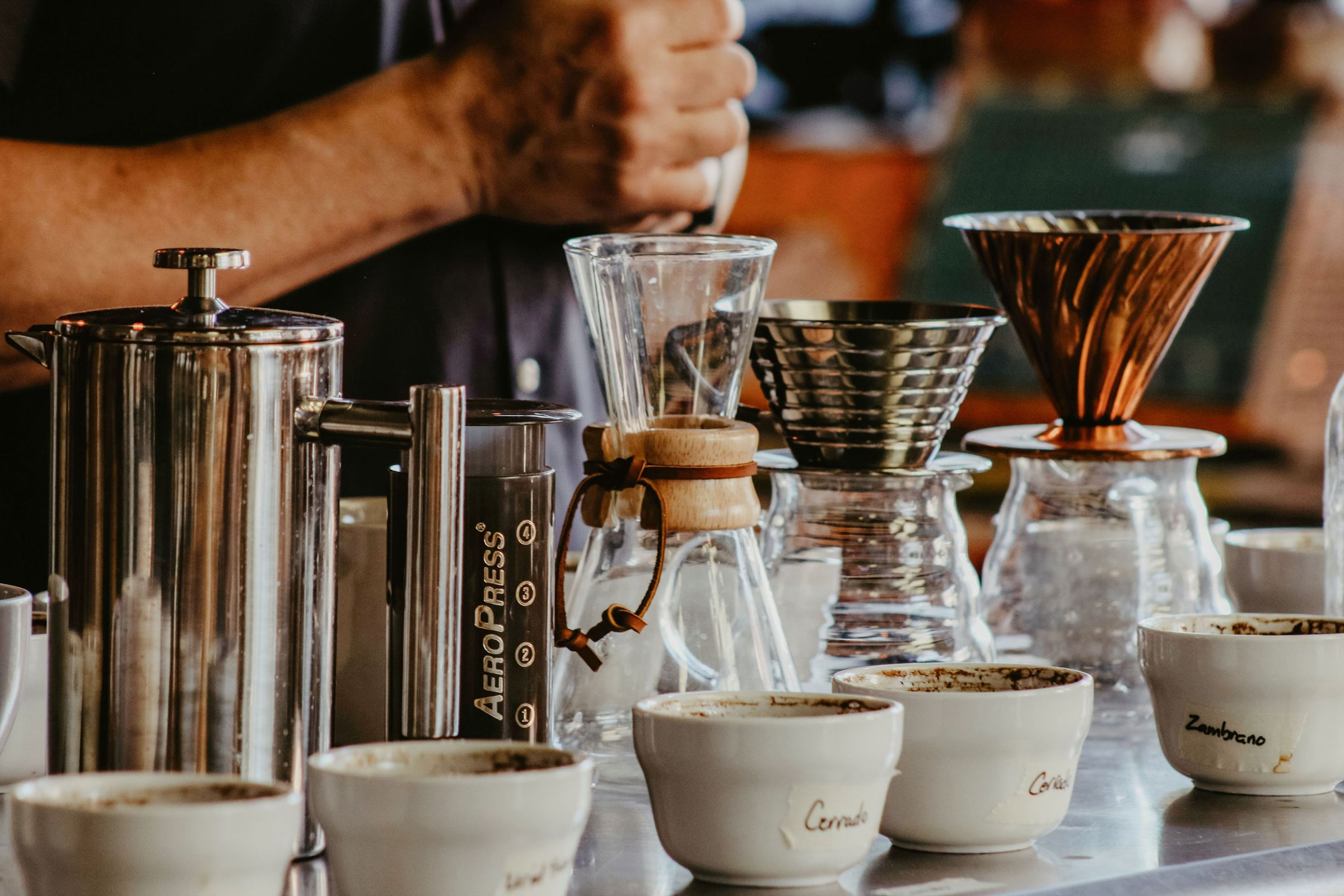
Kitchens are now turned into brew bars. People are grinding their own beans, using scales, and debating pour-over vs AeroPress in Reddit threads. Specialty coffee gives home brewers a chance to nerd out—and never go back to K-Cups again.
How to Try Specialty Coffee (Without Feeling Overwhelmed)
New to the game? Don’t worry—you don’t need a $500 grinder and a barista certification to get started. Here’s how to dip your toe into the specialty scene:
1. Start With a Local Roaster or Specialty Café
Skip the supermarket aisle and head to a local specialty coffee roaster or third-wave café. Why? Because:
- The staff is usually super knowledgeable and passionate.
- You’ll often get to sample a cup before buying beans.
- You can ask questions without feeling silly (trust us, baristas love talking coffee).
Pro Tip: Ask what’s in season or what’s new on the menu. Like fruits and vegetables, coffee has a harvest cycle—so fresher really is better.
2. Look for Single-Origin Beans
This is an easy way to dip your toes into the specialty pool. Single-origin beans come from one specific country, region, or even a single farm—and they tend to have very distinctive flavors.
For example:
- Ethiopia – Floral, tea-like, with notes of blueberry or jasmine
- Colombia – Balanced, chocolatey, nutty
- Kenya – Bright, juicy, often tomato-y or citrusy
- Guatemala – Sweet, smooth, with caramel and cocoa tones
This lets you train your palate and start recognizing regional flavor differences—aka, your first step to becoming a low-key coffee sommelier.
3. Try Manual Brewing—But Start Simple
Specialty coffee really shines when brewed with care. But that doesn’t mean you need 12 gadgets.
Start with just one method and master it:
- French Press – Great for beginners. Full-bodied, rich, forgiving.
- Pour-Over (like a Hario V60 or Chemex) – Clean, bright, nuanced. You control the flow and timing.
- AeroPress – Compact, versatile, and super popular for travel and experimentation.
Bonus: Brewing manually is part of the fun. It turns your morning routine into a ritual instead of a rush.
4. Invest in a Few Key Tools (Only If You Want To)
You can make great specialty coffee without fancy equipment. But if you’re enjoying the experience, here are a few tools that make a huge difference:
- A burr grinder – Freshly ground beans = 100x better flavor.
- A digital scale – For consistent coffee-to-water ratios.
- A gooseneck kettle – Gives better control for pour-overs.
- A timer – Most phones have one. Brewing is a game of seconds.
You don’t have to go all-in at once—just add tools as you get more curious.
5. Read the Bag (It’s Not Just for Show)
One of the most powerful learning tools? The label on your bag of beans.
Look for info like:
- Origin (country, region, farm)
- Processing method (washed, natural, honey)
- Roast level (light, medium, etc.)
- Tasting notes (e.g. red apple, chocolate, jasmine)
These notes aren’t flavored additives—they’re natural tasting characteristics of the bean, brought out through careful roasting. Once you learn what you like, shopping gets way easier.
6. Taste Mindfully (Don’t Just Gulp It Down)
You don’t need to swirl your mug and sniff it like a wine critic, but do take a moment to:
- Smell the aroma
- Let it cool slightly (you taste more as it cools)
- Sip slowly and try to notice different flavors
Maybe it’s bright and citrusy. Maybe it’s deep and chocolaty. Maybe it’s just less bitter than what you’re used to.
Either way, you're training your taste buds—and that’s exciting!
7. Ask Questions, Join the Conversation
Specialty coffee culture is full of people who are obsessed—in the best way. They love to share, educate, and geek out with fellow drinkers.
So don’t be afraid to:
- Ask your barista about the beans
- Join a local cupping (a coffee tasting event)
- Follow your favorite roasters on Instagram or YouTube
- Read blogs, Reddit threads, or watch brew tutorials
Pro Tip: Specialty coffee is way less snobby than you might expect. People just want to share the joy.
8. Don’t Stress About Getting It “Right”
This is the golden rule: Coffee is personal.
If you like oat milk in your washed Yirgacheffe, go for it. If you prefer French press over a V60, awesome. If you get blueberry notes but the label says stone fruit—who cares?
The point of specialty coffee is to explore, enjoy, and elevate your daily ritual.
There’s no wrong way to drink it—only your way.
Specialty Coffee Starter Kit
Here’s your no-stress checklist for getting started:
- Visit a local specialty café or roaster
- Try a single-origin bean (Ethiopia or Colombia are great starters)
- Use a simple brewing method (like French press or AeroPress)
- Read the tasting notes on the bag
- Sip mindfully and have fun
- Ask questions and stay curious
Is It Worth the Hype?
Absolutely—if you’re someone who enjoys learning, exploring flavor, supporting ethical sourcing, or simply wants their morning cup to be just a little more magical, specialty coffee is worth every sip.
It’s not about being a snob. It’s about being curious.
So the next time you see “notes of berry and jasmine” on a coffee bag—lean in. Specialty coffee is a journey, and every cup is a passport.