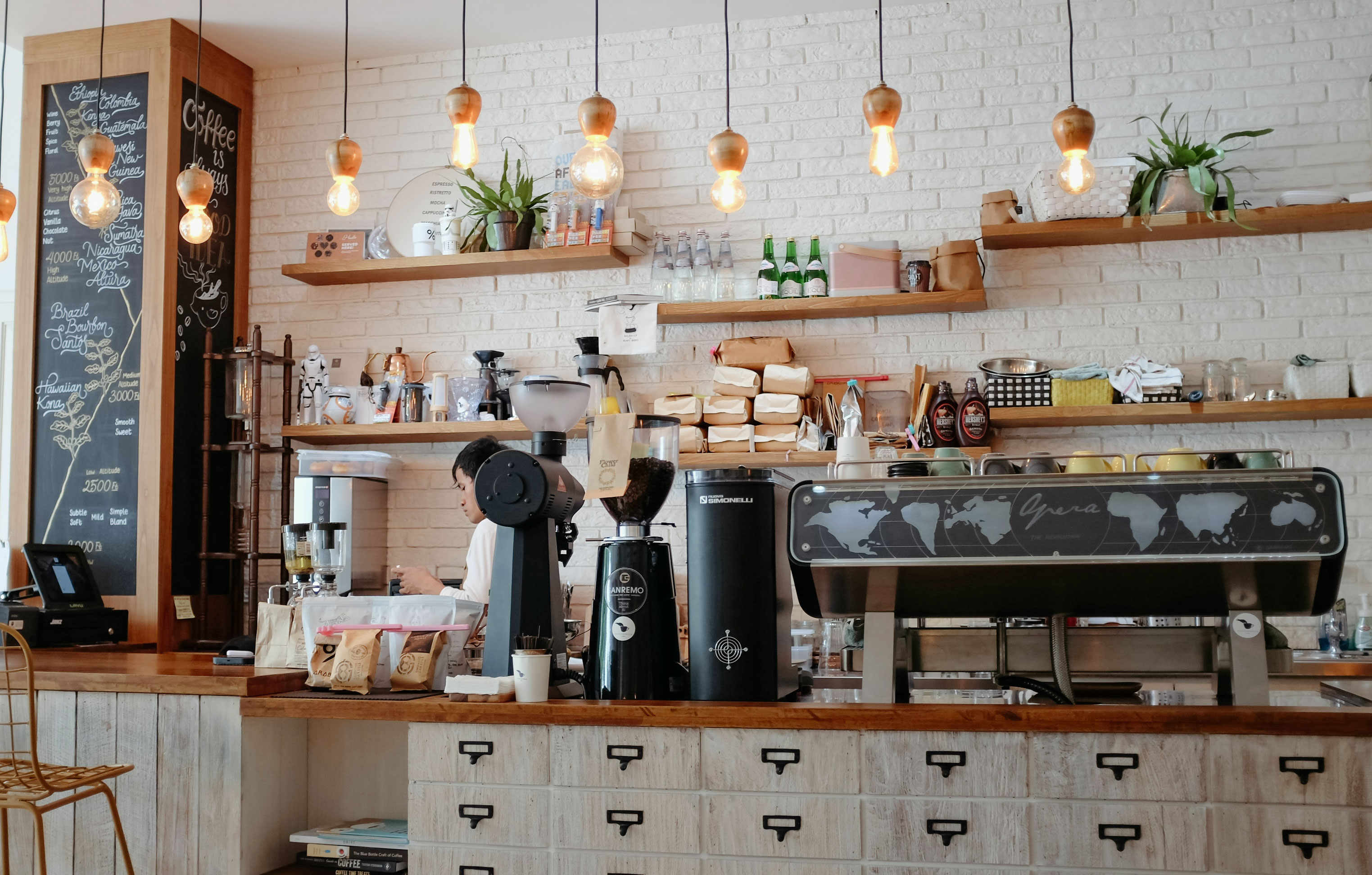
How Specialty Coffee Is Reshaping Cafés, Baristas, and Your Taste Buds
Once upon a time, coffee shops were just places to grab a cup of hot fuel and maybe steal some Wi-Fi. Baristas pressed buttons. Coffee tasted... fine. And “dark roast” was considered a flavor.
But then came the specialty coffee movement—and suddenly, coffee became an experience, a craft, a conversation starter, and in some cases... a lifestyle.
In the last decade, specialty coffee has brewed up more than just better cups—it’s completely transformed cafés, redefined what it means to be a barista, and totally changed how we taste and talk about coffee.
Let’s dive into how this caffeinated revolution is turning the coffee world (and your morning routine) on its head—in the best way.
1.Cafés Are Becoming Coffee Labs (and Vibe Studios)
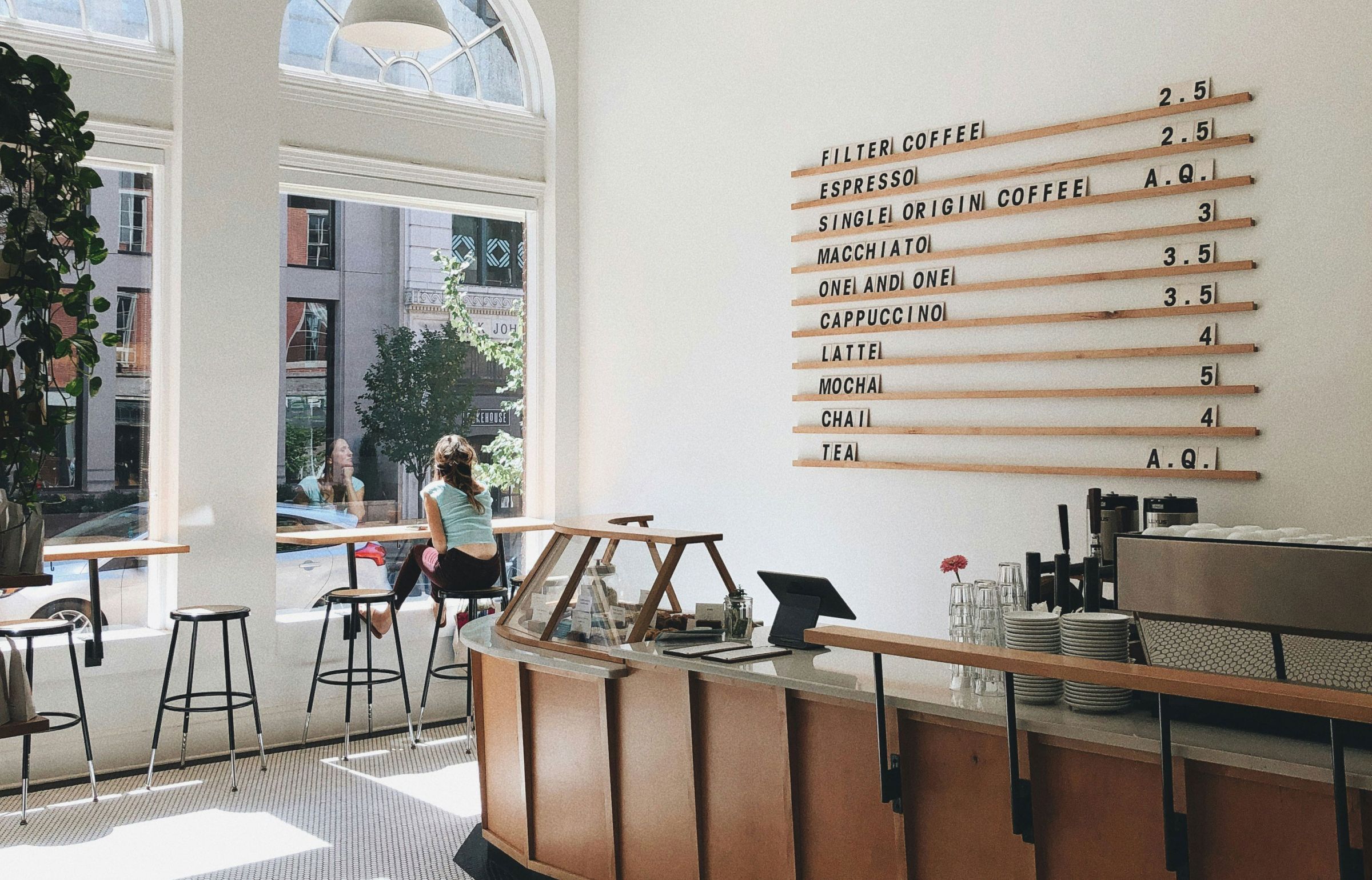
Walk into a modern specialty café today, and it’s less “diner” and more “design-forward tasting temple.”
Gone are the oversized espresso machines hiding the baristas like bank tellers. In their place? Sleek, open counters, minimalist menus, and pour-over bars that look like they were built by NASA engineers.
Here’s how cafés are evolving:
Coffee as a Craft
Once upon a latte, cafés were all about speed and sugar—pump the syrup, steam the milk, hit the button, next in line please. But the rise of specialty coffee has flipped that model upside down.
Coffee is no longer “just brewed”—it’s crafted with precision:
- Measuring beans by weight, not scoops
- Timing the brew to the second
- Dialing in grind size to match the method
- Adjusting temperature, water ratio, and extraction time based on roast and origin
It’s chemistry meets intuition—where even a few grams or seconds can change the flavor entirely.
Example: A pour-over that brews for 2:30 minutes might be juicy and bright. Brew it for 3:00 and suddenly it's flat and bitter.
Every Cup Is a Performance
You’ll see baristas:
- Swirling gooseneck kettles with ballerina-like grace
- Layering espresso shots with milk for silky lattes
- Dialing in espresso shots multiple times a day to match humidity and bean behavior
They’re not just pushing buttons—they’re actively engaging with the brew, adjusting, experimenting, and aiming for perfection with every cup.
It’s part ritual, part science, part vibe.
Celebrating Origin & Process
Specialty coffee treats beans the way chefs treat ingredients: with reverence.
- Washed Guatemalan? Expect clean, cocoa-rich notes.
- Natural Ethiopian? Prepare for florals and a wild fruit explosion.
- Anaerobic Colombian? Hold on—this might taste like strawberry yogurt and cola.
Every origin, process, and roast tells a different story. And the craft of coffee is about preserving that story—from the farm to your cup.
Coffee as an Experience
There was a time when going to a coffee shop meant standing in line, grabbing your to-go cup, and getting out the door as fast as possible. Maybe you’d get a splash of vanilla syrup, maybe a stale muffin, and that was the extent of your “coffee experience.”
But not anymore.
In the age of specialty coffee, cafés are no longer just functional pit stops—they’re evolving into intentional, immersive spaces designed to turn your morning brew into a full-on sensory and emotional experience.
We’re talking about a shift from coffee as a commodity... to coffee as a moment. And it’s changing everything—from how cafés look and feel to how customers engage with their drinks (and the people who make them).
The Vibe Is Part of the Value
Modern cafés are being designed for presence, not just convenience. Step inside and you might notice:
- Calming aesthetics—think natural wood, soft lighting, warm textures, and plants everywhere
- Carefully curated music, not blasting pop hits but setting a tone (lo-fi, jazz, ambient—you name it)
- Thoughtful seating arrangements—communal tables for conversation, cozy corners for solo sippers
The goal? To make you slow down, connect, and appreciate—not just caffeinate and run.
These spaces don’t say “hurry up.” They say “stay awhile.”
Minimal Menus, Maximum Intention
Gone are the giant chalkboards with 40 drink options and eight cup sizes. Today’s specialty cafés often have clean, minimalist menus—but every option is crafted with care.
- You might see just a few single-origin pour-over options, each with flavor notes and origin details.
- Seasonal lattes may include house-made ingredients—like rosemary syrup or burnt honey—not pumps from a bottle.
- Even espresso shots are offered as standalone tasting experiences, much like wine or whiskey.
This simplicity is intentional. It invites guests to ask questions, engage, and discover something new rather than defaulting to the same old order.
The Ritual Matters Just As Much As the Drink
In specialty cafés, the ritual of coffee-making is part of the experience. You might:
- Watch a barista carefully pour water over freshly ground beans in slow, hypnotic circles
- Smell the aromatics bloom as the coffee "blooms" in front of you
- Be handed a beautiful ceramic cup instead of a paper to-go lid
- Get a quick story about the farm where the beans were grown
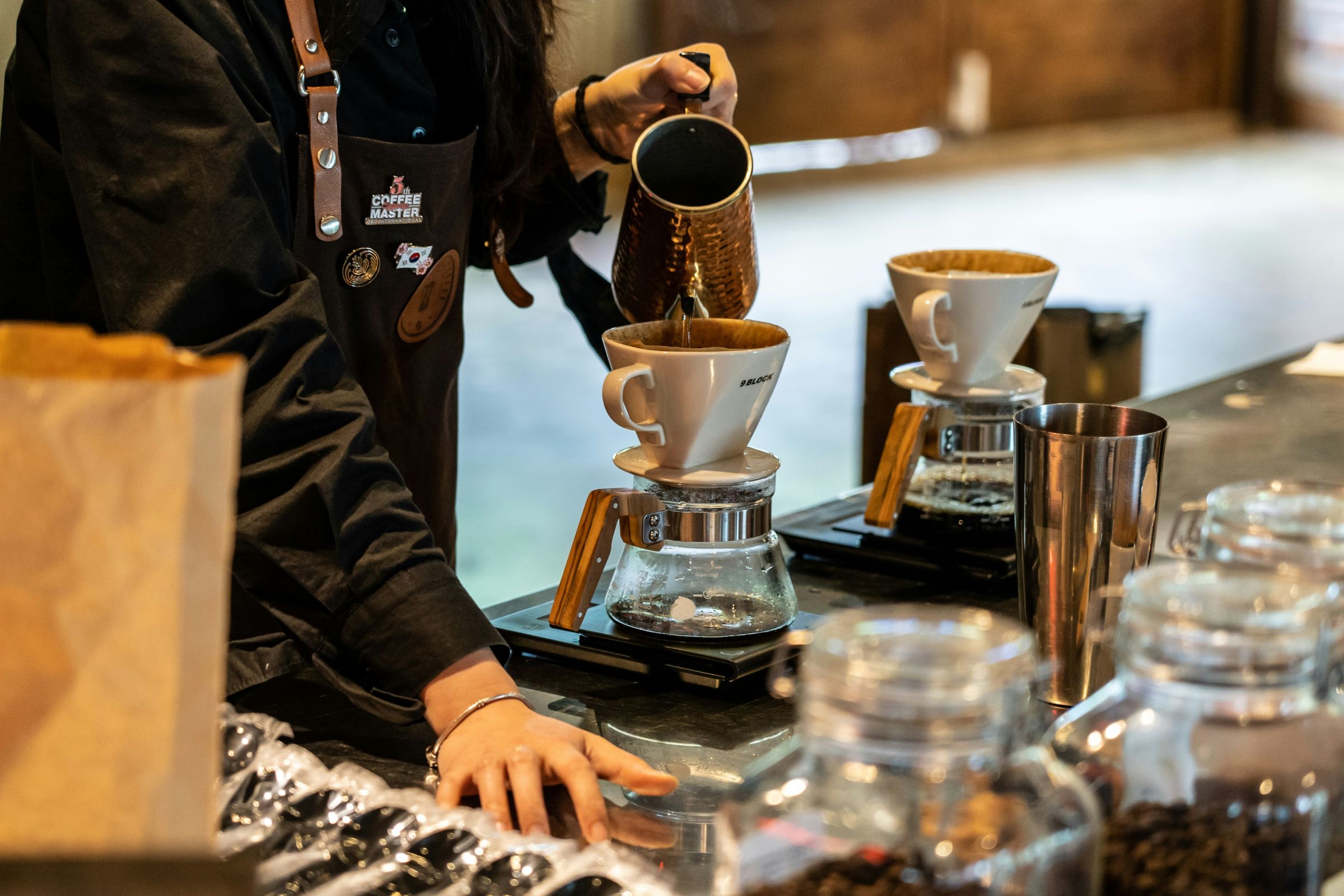
It’s not just about the caffeine. It’s about turning your coffee moment into something deliberate, tactile, and memorable.
You feel seen. The drink feels special. And suddenly, a simple cup of coffee becomes a small act of self-care.
From Anonymous Transaction to Personal Connection
One of the most powerful shifts in modern coffee shops? The human element.
Baristas aren’t just order-takers—they’re guides, hosts, educators. And cafés are creating space for real interaction:
- You’re invited to ask about the beans
- You might be offered a sample taste of a new origin
- The barista might share their favorite brewing tip or personal coffee journey
The result? Loyalty that goes beyond punch cards. Customers return not just for the drinks, but for the people, the vibe, and the sense of community.
Every Visit Feels Like a Curated Experience
Many cafés now treat your visit like a mini curated event:
- Some host public cuppings (coffee tastings)
- Others offer rotating “origin features” that highlight different countries each month
- Signature drinks change with the seasons, featuring local ingredients, fun themes, or collaborations with pastry chefs
It's about surprise, delight, and discovery. No two visits are exactly the same—and that’s part of the magic.
More Than a Cup
Coffee shops are no longer just places to get caffeine. They’re becoming intentional environments that offer:
- A place to feel grounded
- A chance to connect with the craft and the community
- A sensory escape from the fast-paced outside world
- And yes—a truly excellent cup of coffee
As cafés evolve, they’re not just elevating the beverage. They’re transforming the entire coffee-drinking moment into something worth slowing down for, savoring, and sharing.
2. Baristas Are Becoming Coffee Sommeliers
Being a barista about 5 -10 years ago was considered a side gig—something to do between college classes or while chasing other dreams. Fast-forward to today, and in the world of specialty coffee, the barista has become a skilled artisan, a storyteller, and, in many ways, the face of the entire coffee experience.
We're in an era where baristas are no longer just pulling shots—they’re curating flavor, educating guests, and championing traceable coffee the way sommeliers talk about wine or chefs talk about seasonal produce.
Let’s take a closer look at how today’s baristas are raising the bar.
Baristas Are Getting Seriously Educated
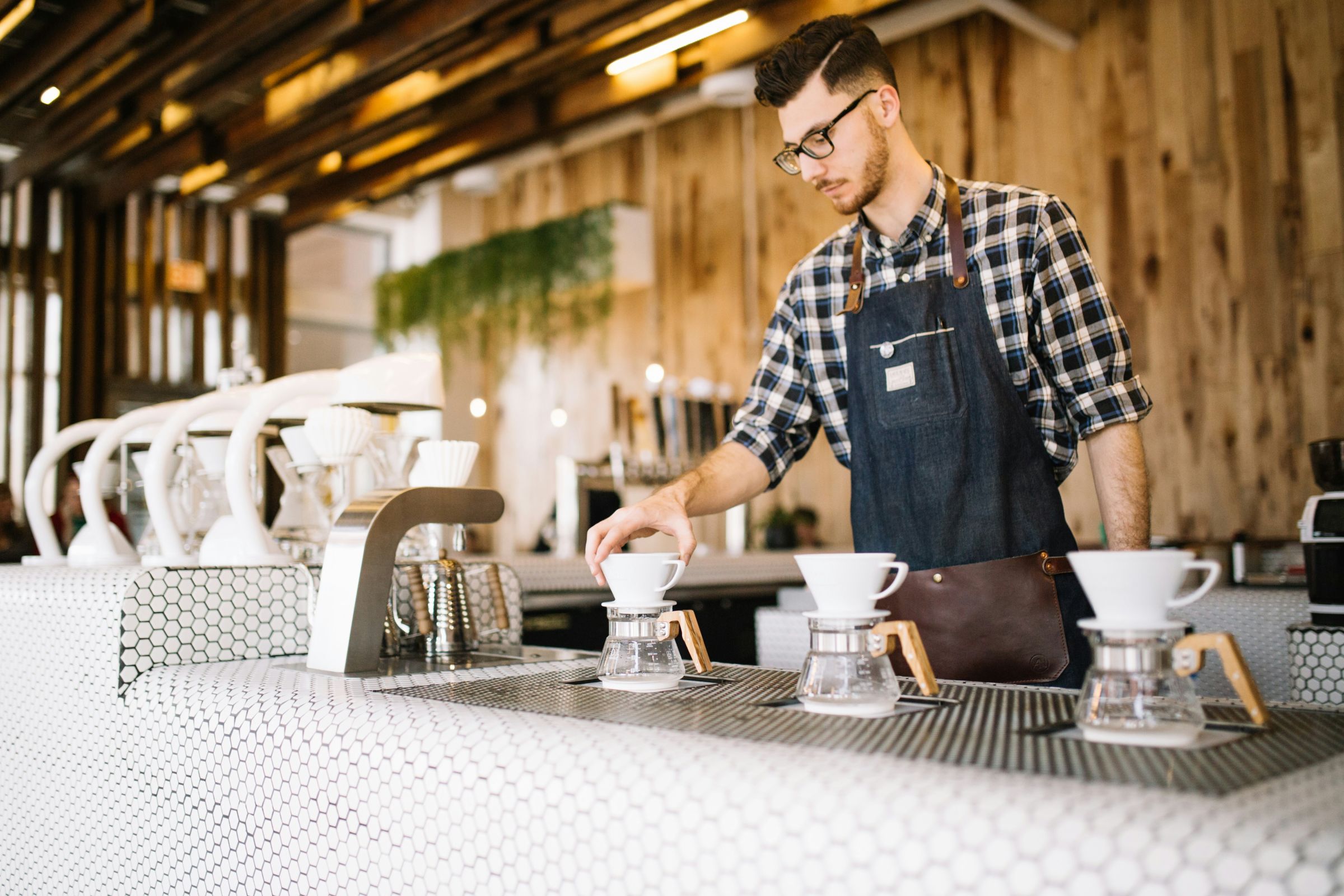
In specialty coffee, knowledge isn’t optional—it’s essential.
Baristas today are often trained in:
- Coffee origins and processing methods (e.g. washed, natural, honey, anaerobic)
- Flavor profiles by region (yes, Kenyan coffee really can taste like tomatoes)
- Brewing theory, including extraction science, water chemistry, and grind calibration
- Latte art technique, milk steaming, and temperature control
- Sensory evaluation, aka how to taste coffee like a pro
Many even pursue certifications through organizations like the Specialty Coffee Association (SCA) or take part in Barista Championships, where they’re judged on everything from technical skill to customer engagement.
Being a specialty barista isn’t about pressing a button—it’s a mix of science, art, and hospitality.
The Espresso Shot Is Their Signature
Think of a sommelier pouring and presenting a glass of wine. That’s how a specialty barista approaches espresso.
They don’t just pull a shot—they:
- Weigh the coffee and time the extraction to within seconds
- Adjust the grind throughout the day as humidity and bean freshness shift
- Taste their shots frequently to ensure consistency and flavor
- Log brew ratios, puck resistance, and taste notes—yes, it's that serious
And when they hand you that tiny cup? It's not just coffee—it’s a distilled expression of origin, roast, and technique, brewed just for you.
Storytellers at the Counter
Specialty baristas do more than make drinks—they bridge the gap between the farm and the cup.
They can tell you:
- Where your coffee was grown
- What altitude it was cultivated at
- Who produced it and how it was processed
- Why this particular origin tastes like blueberries, or florals, or brown sugar
They make the abstract tangible, turning complex supply chains into compelling human stories. And the best part? They share that info with curiosity, not condescension.
Think: wine sommelier energy, minus the tuxedo.
Performers with Precision
Baristas work under pressure—but they make it look effortless.
In a busy café, a barista might be:
- Dialing in espresso recipes
- Steaming milk to just the right texture for silky microfoam
- Creating latte art with the flair of a freestyle painter
- Managing multiple tickets while keeping their cool (and keeping it friendly)
It’s a delicate dance of timing, focus, and finesse—and all of it happens while maintaining warm, personal interactions with customers.
They’re not just working the line. They’re crafting moments.
Advocates for Ethical Coffee
Many baristas today are also passionate about transparency, sustainability, and equity in coffee.
They’re the ones:
- Talking to roasters about direct trade relationships
- Choosing coffees that support climate-friendly growing practices
- Hosting or attending community cuppings to raise awareness about ethical sourcing
- Educating customers on what it means when coffee is “traceable” or “seasonal”
For them, great coffee isn’t just about flavor—it’s about responsibility.
Not Just a Job—A Career
This new generation of baristas isn’t clocking in and out—they’re building careers in coffee.
Many go on to:
- Become roasters, green buyers, or educators
- Open their own cafés or consulting companies
- Judge or compete in international coffee competitions
- Travel to coffee origins to meet producers and learn firsthand
They're redefining what it means to be in the coffee industry—not as a stopgap job, but as a legitimate, skilled profession with opportunities for growth and leadership.
Respect the Craft
So the next time your barista hands you a single-origin pour-over or a perfectly textured flat white, know this:
You’re not just getting coffee—you’re receiving the result of expertise, passion, and precision.
Baristas today are:
- Scientists behind the brew
- Artists behind the latte art
- Educators behind the counter
- Connectors between the farm, the café, and your taste buds
They’re redefining what it means to “make coffee”—and we’re all better (and better caffeinated) for it.
3. Your Taste Buds Are Leveling Up
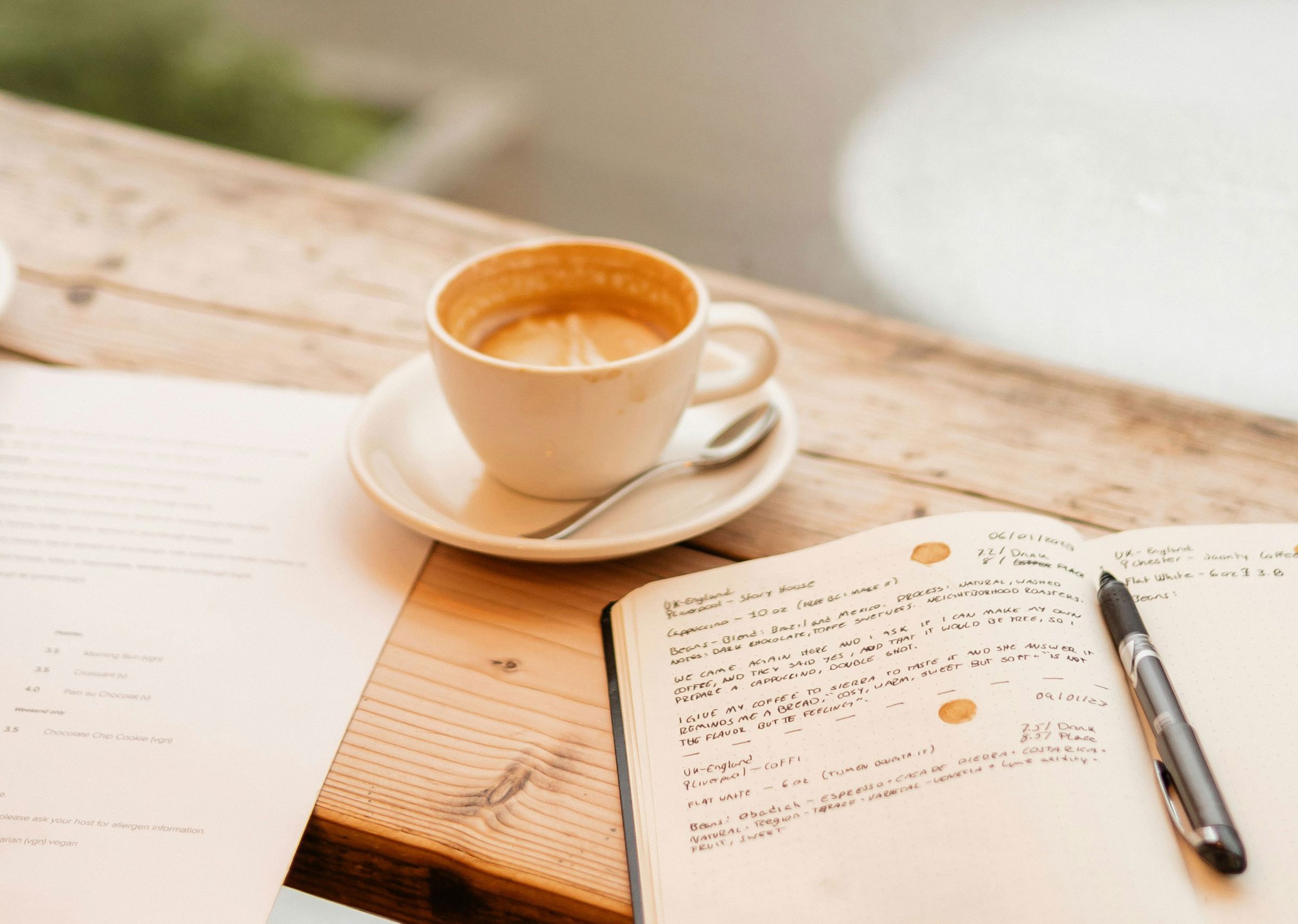
You might not realize it, but if you’ve started drinking specialty coffee, your palate is evolving.
From Bitter to Balanced
Remember when coffee just tasted “strong” or “burnt”? Specialty coffee introduces a whole spectrum of flavors you never knew existed—bright acidity, layered sweetness, fruit, florals, even funk.
You start noticing:
- That washed Ethiopian tastes like bergamot and black tea
- That honey-processed Costa Rican has a juicy apple sweetness
- That lightly roasted Colombian has milk chocolate and caramel undertones
Suddenly, “bitter” is no longer the only flavor in your vocabulary.
From Consumer to Connoisseur
The more you explore, the more you’ll:
- Learn the difference between natural vs washed processing
- Recognize how altitude and soil affect taste
- Develop preferences for origins, roast levels, and brewing methods
It’s not about becoming a snob—it’s about becoming curious. And your taste buds are loving every sip of the journey.
Why This Matters (Even If You’re Not a Coffee Nerd)
This shift isn’t just about cool cafés and nerdy baristas. It reflects something bigger: a global movement that values craftsmanship, transparency, sustainability, and connection.
Specialty coffee is changing the game by:
- Paying farmers better prices for higher-quality crops
- Encouraging environmentally friendly farming and traceable supply chains
- Supporting livable wages and career paths for baristas
- Creating a culture where coffee is appreciated, not just consumed
It’s not just a drink—it’s a mindset. One that prioritizes quality over quantity, sustainability over shortcuts, and experience over habit.
Where Do You Fit Into All This?
If you’ve ever paused to appreciate the flavor of your brew…
If you’ve asked your barista where the beans came from…
If you’ve been curious about pour-overs, origins, or what “honey process” actually means…
You’re already part of the specialty coffee movement.
Whether you’re just getting started or already planning your own home cupping party, this evolution in coffee culture is inviting everyone to slow down, pay attention, and taste more deeply.
So next time you walk into a specialty café and see a barista weighing beans like a chemist, smile—because you’re not just buying coffee. You’re joining a revolution.