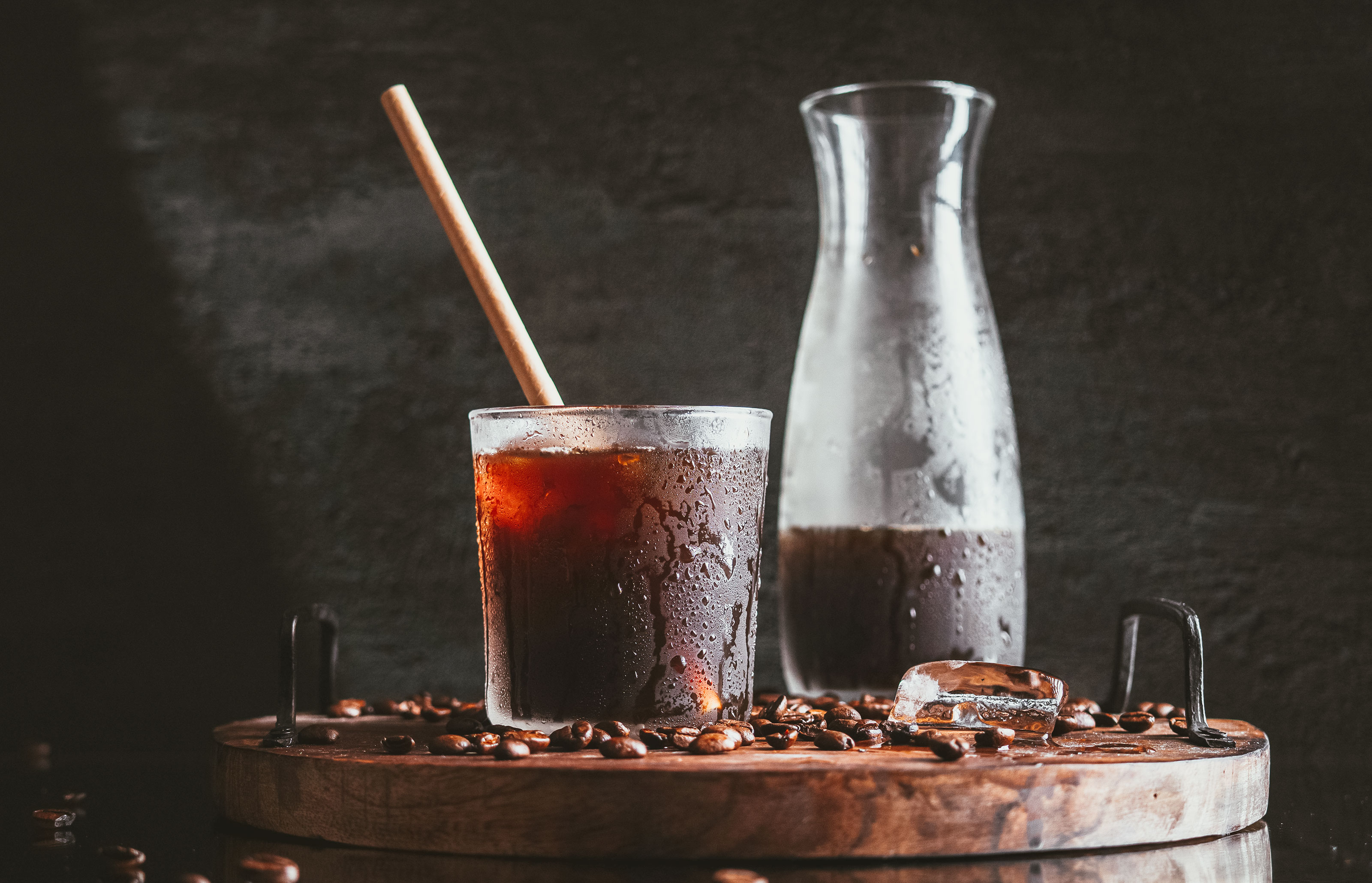
Cold Brew vs Iced Coffee: The Coolest Caffeine Showdown Explained
If you’ve ever stood at your local café, staring at the menu and wondering “Cold brew or iced coffee?”, you’re not alone. They both sound refreshing, both promise to chill you out (literally), and both contain coffee... so what’s the big deal?
Well, my friend, they may both be cold, but cold brew and iced coffee are as different as a beach vacation and an Arctic expedition. Same temperature? Sure. But the journey? Totally different.
Coffee Caffeine Calculator
Let’s dive deep into the world of cold coffee and finally settle the score.
First Up: What Is Iced Coffee?
If you think iced coffee is just yesterday’s cold leftovers in a glass—think again. Iced coffee is a carefully crafted, refreshingly chill take on your favorite hot brew, served with ice and attitude.
Let’s break it down:
Brewed Hot. Chilled to Perfection.
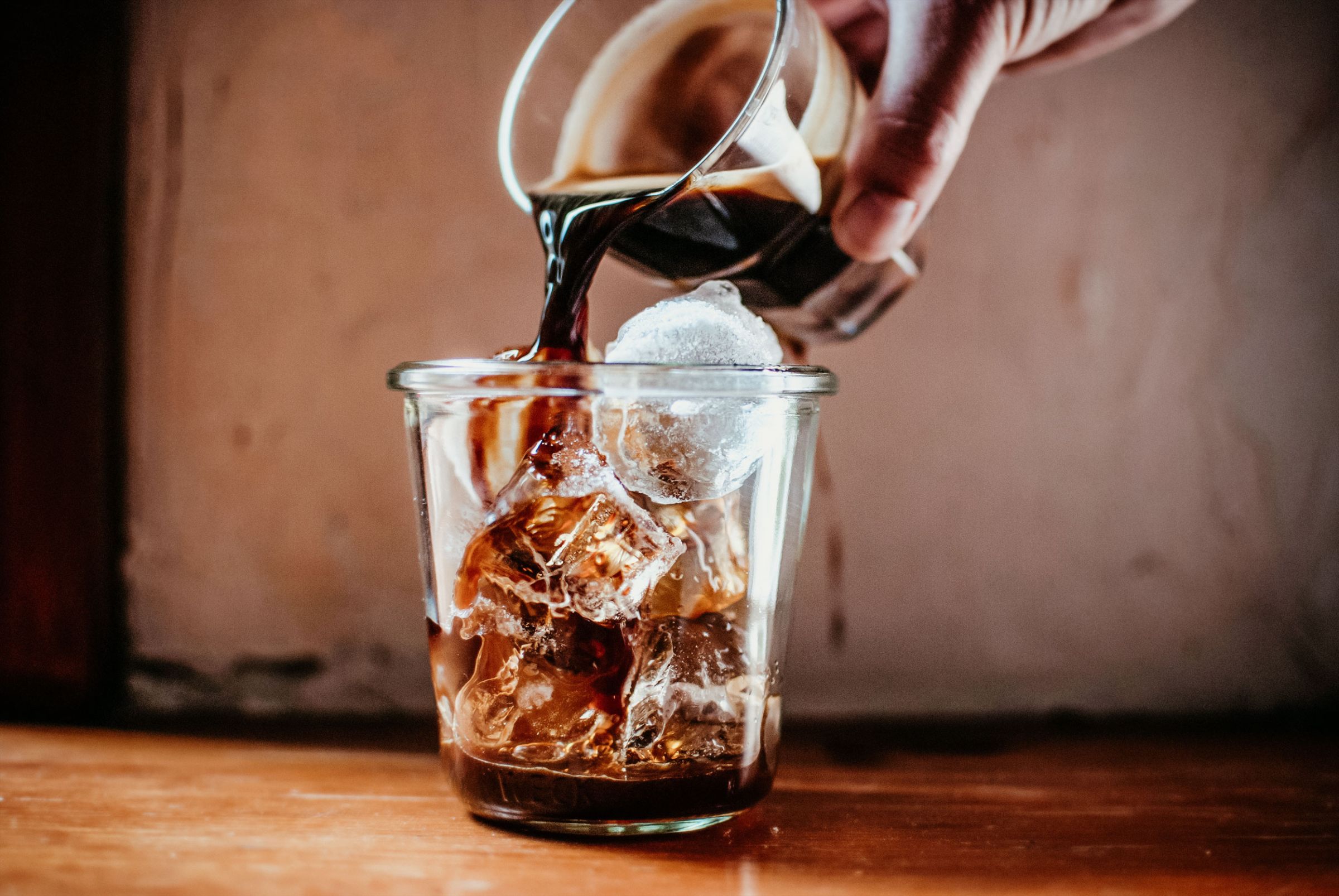
At its core, iced coffee is exactly what it sounds like: hot coffee that’s been cooled down and served over ice. But that doesn’t mean it’s lazy or uninspired. When done right, it’s vibrant, refreshing, and bursting with that familiar coffee punch.
Think of it like this: iced coffee is your classic, everyday cup of joe—just in summer mode.
How It’s Made: Two Main Styles
There are two common ways baristas (and home brewers) make iced coffee:
1. Hot Brew + Ice (Quick Chill Method)
- Brew a strong batch of coffee (drip, pour-over, French press).
- Pour directly over ice.
- Optionally sweeten or add milk while it’s hot to help flavors mix better.
- Drink immediately.
This method is fast and convenient, especially for mornings when you're racing out the door in flip-flops.
2. Refrigerated Brew (Slow Chill Method)
- Brew your coffee as usual.
- Let it cool at room temperature or in the fridge.
- Pour over ice when ready.
This gives you more control over dilution, but it takes longer. Great for those who like to plan ahead or prep coffee in batches.
Flavor Profile: Bright, Bold, and a Bit Brisk
Because it’s brewed hot, iced coffee retains the bright, acidic, and complex notes of hot coffee. The heat extracts a wide range of flavors quickly—both the good (floral, fruity, nutty) and sometimes the less ideal (bitterness or sourness if over-extracted).
Add ice to the mix, and you get a lighter, more refreshing experience—kind of like coffee’s answer to lemonade.
Customization Galore
Iced coffee is a chameleon. It loves dressing up:
- A splash of milk or cream
- Sweeteners like simple syrup, vanilla, or caramel
- Plant-based options (hello, oat milk latte with hazelnut)
- Even a scoop of ice cream for an affogato-style float
It’s the ultimate DIY coffee bar drink, ready to match your mood, your weather, and your snack pairing.
When Should You Choose Iced Coffee?
Opt for iced coffee when you:
- Want a quick cool caffeine fix
- Like sharp, bold flavors with a little kick
- Are already brewing a hot pot at home—no extra steps
- Love customizing your drink with flavors, milk, or whipped cream mountains
Fun Fact: Iced Coffee Has Been Around Longer Than You Think
While cold brew is often seen as the “modern” cool kid on the block, iced coffee has deep roots. Variations of chilled coffee have been sipped in Algeria since the 1800s (ever heard of Mazagran?), and Japan has long embraced cold coffee in sophisticated forms.
It’s not a trend—it’s a legacy in a glass.
The Vibe: Quick, Classic, Refreshing
Iced coffee is like that friend who always knows the best playlist, gets you moving in the morning, and has a go-to coffee order. It’s approachable, reliable, and dressed for the heat.
Now Meet: Cold Brew Coffee
Where iced coffee is fast, loud, and buzzy, cold brew is calm, cool, and collected. It's what your favorite indie band would drink before a rooftop acoustic session.
But beyond the hipster buzz and glass bottles, there’s real technique (and flavor science) behind this slow-brewed superstar.
Brewed Cold. Born Smooth.
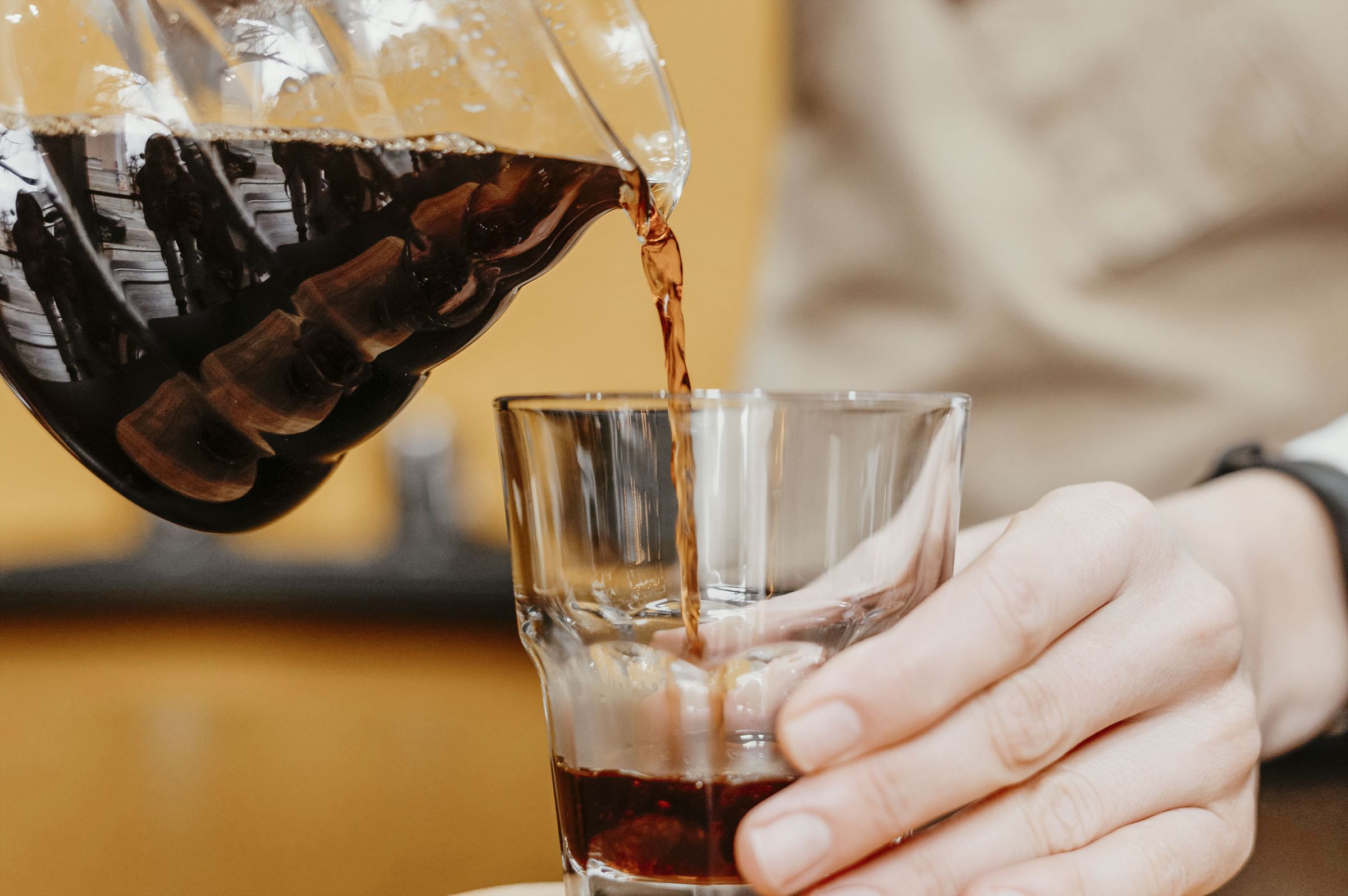
Unlike iced coffee—which starts hot and cools off—cold brew never touches heat. Ever. Instead, it’s made by steeping coarse ground coffee beans in cold or room-temperature water for a long, mellow soak. We’re talking 12 to 24 hours.
Think of it like marinating a steak… but for coffee. The result? A brew that’s lower in acidity, naturally sweet, and incredibly smooth.
How Cold Brew is Made (The Basics)
Here’s the cold brew method in a nutshell:
Ingredients:
- Coarsely ground coffee (much coarser than what you’d use for drip or espresso)
- Cold or room-temp filtered water
- Time… and patience
Method:
- Combine coffee and water in a jar or pitcher (usually a 1:4 or 1:8 ratio, depending on whether you're making a concentrate).
- Stir gently and let steep at room temperature or in the fridge for 12–24 hours.
- Strain through a coffee filter, cheesecloth, or fine mesh sieve to remove grounds.
- Serve over ice—diluted or concentrated, depending on your personal fuel needs.
Cold Brew Flavor Profile: Smooth Operator
Because cold brew uses time instead of heat, the flavor extraction process is much slower and gentler. This creates a totally different profile:
- Low acidity – less bite, easier on the stomach
- Smooth, round body – think chocolate, caramel, nutty tones
- Naturally sweeter – no burnt bitterness or sharp aftertaste
- Full-bodied – like the coffee equivalent of a velvet robe
It's no wonder cold brew has exploded in popularity—it’s basically the red wine of coffee.
Bonus: It’s Usually a Caffeine Bomb
Here’s a fun (and slightly dangerous) fact:
Cold brew is often much stronger than regular coffee.
Because of the long steeping time and higher coffee-to-water ratio, most cold brews are either:
- Served as a concentrate (which you dilute before drinking), or
- Already stronger than drip coffee even after dilution.
Caffeine comparison (16 oz serving, average):
- Cold Brew: ~200–300+ mg caffeine
- Iced Coffee: ~165–200 mg caffeine
Want to really feel alive? Drink cold brew straight. (Just don’t operate heavy machinery after.)
The Cold Brew Experience: Minimalist, Chill, and Prepped Ahead
Cold brew is a meal-prepper’s dream. Make a big batch on Sunday, and you’ve got smooth, drinkable energy for the whole week—no brewing required.
It also plays well with others:
- Add oat milk or almond milk for a creamy swirl
- Infuse with cinnamon, orange peel, or vanilla while steeping for subtle flavor twists
- Use it as a base for coffee cocktails or mocktails
Oh, and nitro cold brew? That’s cold brew infused with nitrogen gas to make it silky, creamy, and effervescent—like a coffee Guinness.
Cold Brew’s Origins: It’s Older Than You Think
While it feels like a modern marvel, cold brew’s roots go way back. Historians trace it to:
- 17th-century Japan, where Kyoto-style cold drip coffee became an art form.
- Dutch sailors, who brewed coffee cold to keep it stable on long voyages.
- South American traditions, which embraced cold-steeped brews for hot climates.
So yeah… cold brew didn’t just show up on TikTok. It’s been perfecting its chill for centuries.
When to Choose Cold Brew
Reach for cold brew when you:
- Want a super-smooth, low-acid coffee
- Need more caffeine, less acidity
- Like prepping in advance (cold brew stays fresh for 5–7 days!)
- Want a refined, less bitter flavor
- Are feeling like an artsy minimalist who enjoys slow rituals and black turtlenecks
The Vibe: Cool, Slow, and Strong
If iced coffee is your Monday morning commuter friend, cold brew is your Sunday morning journaling buddy. It’s deep. It’s smooth. And it’s not trying to impress anyone—just quietly blowing your mind with every sip.
The Key Differences: Cold Brew vs Iced Coffee
Let’s break it down like a coffee sommelier at brunch:
| Feature | Iced Coffee | Cold Brew |
| Brew Method | Brewed hot, then cooled | Steeped cold for 12–24 hours |
| Time to Make | ~5–10 mins | ~12–24 hours |
| Flavor | Bright, acidic, bold | Smooth, mellow, low-acid |
| Caffeine | Moderate to high (depends on brew) | Usually higher (often ~1.5x or more) |
| Shelf Life | Best fresh, within hours | Lasts up to a week in the fridge |
| Dilution | Ice melts → may water it down | Usually served concentrated or with water/milk added intentionally |
Which One Has More Caffeine?
Generally, cold brew is more caffeinated. Why?
- It uses more coffee grounds per ounce.
- It’s often served as a concentrate (unless diluted).
- Steeping for hours extracts more from the bean.
For example:
- Iced coffee (16 oz): ~165–200 mg caffeine
- Cold brew (16 oz): ~200–300+ mg caffeine (depending on brand and method)
Pro tip: Want less caffeine? Dilute your cold brew with water or milk. Want more? Don't.
When to Choose Which?

Iced Coffee:
- When you need a quick cool-down.
- Love a bright, bold flavor.
- You’re at a diner or making coffee on the fly.
Cold Brew:
- When you want something smooth and strong.
- Sensitive to acidity (cold brew is easier on the stomach).
- You like prepping coffee ahead of time (meal-prep meets coffee-prep).
Bonus: Sweeteners & Customizations
- Iced Coffee loves syrups, milk, and ice cream add-ins. It’s the playground of coffee creativity.
- Cold Brew prefers to stay pure or lightly adorned—think splash of oat milk, a swirl of vanilla, maybe a dash of cinnamon if it’s feeling fancy.
It’s Not a Fight. It’s a Flavor Choice.
In the end, cold brew and iced coffee aren't enemies—they’re caffeinated cousins. They share a chill disposition but take different paths to get there.
If you’re the type who likes bright and punchy, grab an iced coffee.
If you prefer smooth and strong, reach for a cold brew.
And if you’re not sure? Try both. Life’s short. Drink the coffee.