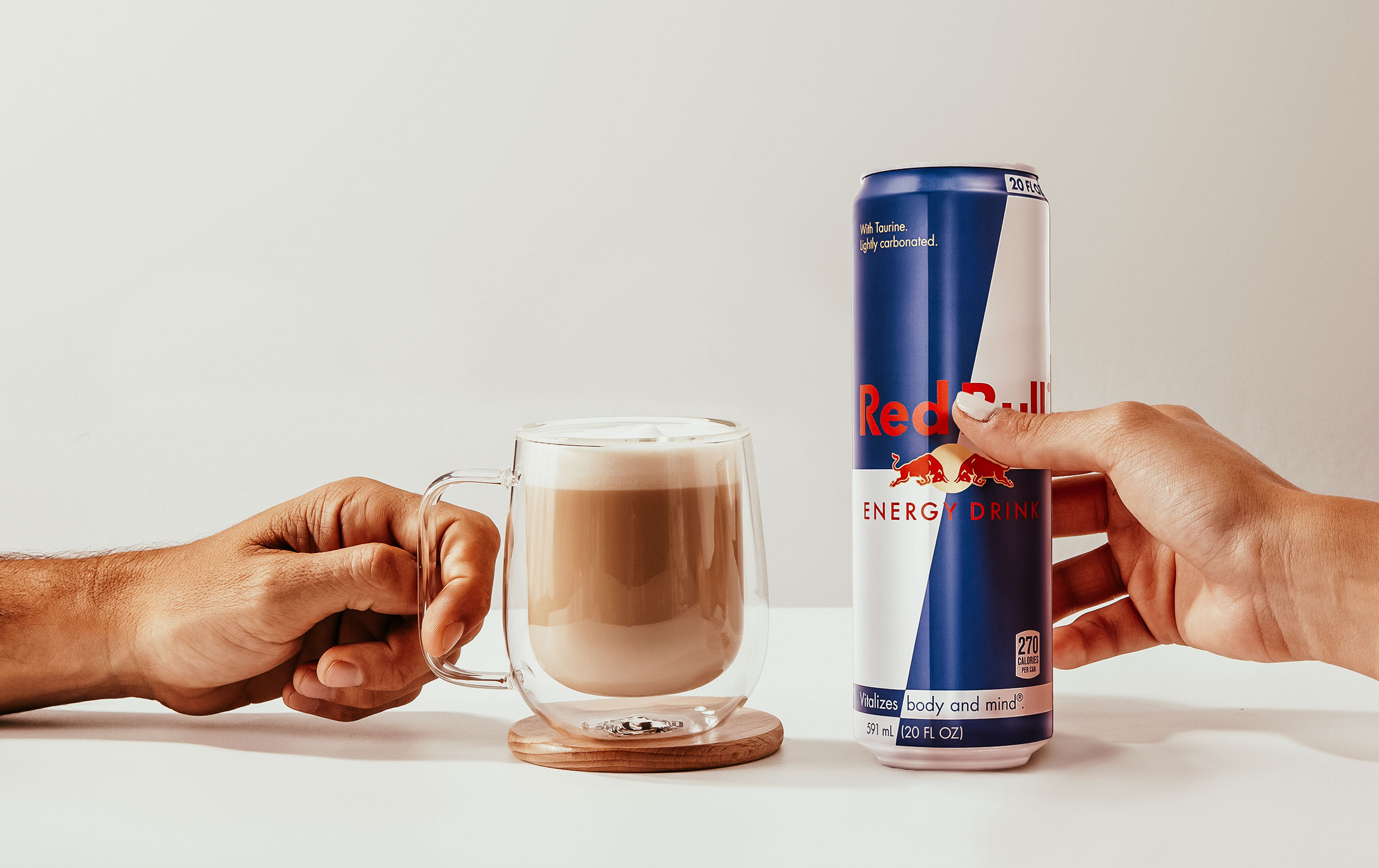
Coffee vs Energy Drinks: Pros, Cons, and Caffeine Compared
Whether you’re team coffee or team energy drink, there’s one thing we can all agree on: sometimes, you just need a serious boost.
But when it comes to that mid-morning slump or pre-workout push, which delivers better energy—your reliable cup of joe or a flashy can of neon liquid? Is one truly better for your health, focus, or productivity?
Let’s break it all down in this caffeine showdown: coffee vs. energy drinks.
First, Why Does Caffeine Even Matter?
Caffeine isn’t just the reason you can open your eyes in the morning—it’s one of the most widely consumed psychoactive substances on the planet. Found in coffee, tea, energy drinks, soda, and even chocolate, caffeine is the world's favorite legal stimulant. But what does it actually do for your body and brain?
Let’s break it down.
How Caffeine Works in Your Body
Caffeine’s magic lies in its ability to block adenosine, a neurotransmitter that builds up in your brain throughout the day and makes you feel drowsy. By keeping adenosine from doing its job, caffeine creates a domino effect of alertness, energy, and focus.
But that’s just the start.
Here’s what happens when you consume caffeine:
- Adenosine Blocked → You feel less sleepy.
- Dopamine Activity Increases → You feel more motivated and focused.
- Adrenaline Gets Released → Heart rate, blood pressure, and energy levels increase.
- Mood Gets a Boost → You may feel happier or more upbeat temporarily.
So yes, your morning brew is technically tweaking your brain chemistry—and that’s exactly why it works.
-23.jpg)
What Caffeine Can Do for You (in Moderation)
Caffeine can be incredibly helpful when used strategically. Here’s what science says about its benefits:
| Benefit | What It Means |
| Increased alertness | Helps you stay awake, especially during dips in energy or long tasks |
| Enhanced cognitive function | Improves focus, reaction time, and short-term memory |
| Boosted physical performance | Mobilizes fatty acids and improves endurance (why it's in pre-workouts) |
| Elevated mood | Stimulates dopamine release (feel-good neurotransmitter) |
| Faster metabolism | Slightly increases calorie burn and thermogenesis |
Fun Fact: Studies show that caffeine can improve exercise performance by up to 12% in trained individuals.
When Too Much of a Good Thing Goes Bad
Caffeine is a powerful tool—but it's not without downsides if you overdo it or are sensitive to stimulants.
Common side effects of too much caffeine include:
- Jitters or nervousness
- Rapid heartbeat
- Trouble sleeping (especially if consumed late)
- Upset stomach
- Anxiety or restlessness
- Caffeine dependence or withdrawal
Not All Caffeine Is the Same
It’s also worth noting: how you get your caffeine matters.
- Natural caffeine (from coffee or tea) is often absorbed more slowly and comes with antioxidants.
- Synthetic caffeine (in many energy drinks and supplements) hits faster—but can lead to quicker crashes.
Natural vs. Synthetic Caffeine: What's the Difference?
Caffeine is caffeine... right?
Not quite. While the chemical structure of caffeine (C₈H₁₀N₄O₂) is the same whether it’s derived from a coffee bean or made in a lab, the way your body processes it, the rate of absorption, and the side effects can differ based on its source.
Let’s unpack the difference between natural caffeine and synthetic caffeine — and why it matters.
What Is Natural Caffeine?
Natural caffeine is extracted from plant sources such as:
- Coffee beans
- Tea leaves
- Guarana
- Yerba mate
- Cacao (chocolate)
It’s found in over 60 plant species, and often consumed in beverages that contain other naturally occurring compounds, like antioxidants, polyphenols, and amino acids.
Benefits of Natural Caffeine:
- Slower absorption: Due to plant compounds, natural caffeine tends to absorb more gradually.
- Milder stimulation: You get a smoother, longer-lasting energy boost.
- Lower crash risk: Thanks to other natural compounds that modulate the effects of caffeine.
- Often paired with antioxidants (especially in tea and coffee).
What Is Synthetic Caffeine?
Synthetic caffeine is artificially produced in a lab—usually from urea and chloroacetic acid—and used in:
- Energy drinks
- Sodas (like Coca-Cola or Mountain Dew)
- Pre-workouts
- Weight loss pills
- Caffeine pills
- Over-the-counter medications (like Excedrin)
It’s chemically identical to natural caffeine but lacks the additional plant-based compounds that affect how your body metabolizes it.
Concerns with Synthetic Caffeine:
- Faster absorption: Hits your bloodstream more quickly, which can feel like a "rush."
- More intense spikes: Often leads to a sharper jolt of energy, but also a harder crash.
- Higher overdose risk: Because it's concentrated and absorbed rapidly, it's easier to overdo it.
- Often combined with sugars or stimulants: Like taurine or guarana extract, which can amplify effects.
Side-by-Side Comparison
| Category | Natural Caffeine | Synthetic Caffeine |
| Source | Coffee, tea, cacao, guarana, etc. | Lab-made (chemical synthesis) |
| Absorption Speed | Slower | Faster |
| Duration of Effect | More gradual, sustained | Quick spike, short duration |
| Crash Potential | Lower | Higher |
| Cost to Produce | More expensive | Cheaper (common in mass-market drinks) |
| Common Uses | Coffee, tea, natural energy drinks | Energy drinks, soda, supplements, pills |
| Taste Profile | Often part of a rich flavor profile | Tasteless, used in flavored products |
| Other Compounds | Antioxidants, L-theanine, flavonoids | None |
How to Tell Which One You're Getting
Check the ingredients label:
- If it says “caffeine (from coffee/tea/guarana)” → it's natural.
- If it just says “caffeine” or “caffeine anhydrous” → it's likely synthetic.
- If it includes guarana extract, that may be natural caffeine—but still potent.
Does One Work Better?
1. For everyday energy (like morning focus or sustained work): Natural caffeine is more balanced and gentler on your system.
2. For workouts or extreme fatigue: Synthetic caffeine hits faster—ideal for pre-workout or when you need a quick jolt.
3. For long-term health: Natural caffeine sources like coffee and tea have well-researched health benefits, including potential protection against Alzheimer's, type 2 diabetes, and some cancers.
Warning: “Natural” Doesn’t Always Mean “Safer”
Some natural sources (like guarana or yerba mate) can contain more caffeine than you think. Plus, they’re often added to energy drinks alongside synthetic caffeine, compounding the effects.
So even “naturally caffeinated” drinks can push you over your daily limit if you’re not careful.
Final Takeaway
| Want... | Go with... |
| Smooth, sustained energy | Natural caffeine (coffee, tea) |
| Fast, powerful stimulation | Synthetic caffeine (energy drinks) |
| Lower crash risk | Natural sources |
| Convenience in a small dose | Synthetic (shots, pills) |
| Added health benefits | Coffee or green tea |
Coffee vs Energy Drinks: Head-to-Head Comparison
| Feature | Coffee | Energy Drinks |
| Caffeine per Serving | 95–200 mg (depending on brew) | 80–300 mg (depending on brand) |
| Absorption Speed | Slower, smoother onset | Rapid, concentrated jolt |
| Duration of Energy | Long-lasting, steady burn | Shorter spike, potential crash |
| Source of Caffeine | Natural (coffee beans) | Often synthetic or blended with natural sources |
| Additives | Typically none (unless flavored) | Often includes taurine, B vitamins, guarana, etc. |
| Sugar Content | None (unless added) | Can contain 25–60g sugar (unless sugar-free) |
| Calories | 0–5 (black), up to 400+ with add-ins | 0–240+ depending on formulation |
| Cost per Serving | $0.25–$5 (home brew vs coffee shop) | $1–$4 per can |
| Health Benefits | Antioxidants, potential heart & brain benefits | May boost performance, but with caveats |
| Best Used For | Daily use, sustained focus | Pre-workout, long drives, fast energy needs |
Why People Love Coffee
Coffee has been around for centuries—and for good reason.

Pros:
- Natural source of caffeine
- Rich in antioxidants
- Supports mental focus and alertness
- Customizable (brew strength, roast, milk, sugar, etc.)
- May lower risk of certain diseases (when consumed in moderation)
Cons:
- Can cause acid reflux in some
- Easy to overdo if you're drinking multiple large cups
- Caffeine content varies wildly depending on brew method (drip, cold brew, espresso, etc.)
Fun Fact: Light roast coffee actually contains more caffeine than dark roast!
Why People Choose Energy Drinks
Energy drinks aren’t just flashy cans and wild flavors—they’re engineered for performance.
Pros:
- Fast-acting caffeine (often synthetic or highly concentrated)
- Contains additional energy-boosting ingredients (e.g., taurine, ginseng, B vitamins)
- Portable and doesn’t require brewing
- Often sugar-free or low-calorie options available
- Great for pre-workout, night shifts, or last-minute study sessions
Cons:
- Can cause jitteriness, heart palpitations, or energy crashes
- High caffeine doses (300 mg+) can approach unsafe limits
- Many contain excess sugar, which can cause blood sugar spikes and crashes
- Often lacks the health benefits found in coffee or tea
Warning: Some energy drinks (like Bang or Reign) contain as much as 300 mg of caffeine per can—that's almost the full recommended daily limit!
How Your Body Processes Caffeine Differently
Coffee:
- Caffeine is absorbed gradually, especially when consumed with milk or food.
- Naturally paired with compounds like chlorogenic acids and theobromine, which slow the impact and offer antioxidant support.
Energy Drinks:
- Caffeine is often in anhydrous (dry) form, absorbed much more quickly into your bloodstream.
- Ingredients like guarana add more caffeine on top—often without being clearly labeled.
- Many include niacin and B vitamins, which may contribute to that "buzz" but aren’t energy sources themselves.
The Crash Factor
| Source | Crash Likelihood |
| Coffee | Low–Moderate |
| Energy Drinks | Moderate–High |
Energy drinks—especially sugary ones—are notorious for causing a sharp energy crash once the caffeine and sugar wear off.
Coffee, on the other hand, provides a more balanced rise and fall, especially when paired with food or consumed slowly.
Duration of Energy Boost
| Drink | Average Duration |
| Coffee (8–12 oz) | 3–5 hours |
| Energy Drink (16 oz) | 1.5–3 hours (spike/crash) |
| 5-Hour Energy Shot | 1–2 hours intense jolt |
How Much Caffeine Is Too Much?
Check out this post for more in-depth answer.
In short: <400 mg/ day.
That’s about:
- 4 cups of brewed coffee, or
- 2 energy drinks (e.g., Bang, Reign), or
- 2.5 shots of espresso + 1 energy drink, or
- 2 5-Hour Energy shots (which is already risky)
Coffee or Energy Drinks?
| Scenario | Better Choice |
| Daily morning routine | Coffee |
| Slow, sustained productivity | Coffee |
| Pre-workout or gym session | Energy Drink |
| Quick jolt before late-night work | Energy Drink or shot |
| Health-conscious energy boost | Black coffee or tea |
| Need zero sugar + high caffeine | Sugar-free energy drink |
| Sensitive to caffeine | Light roast or half-caf |
Both coffee and energy drinks can be powerful tools—but they work differently.
- Coffee: Natural, reliable, rich in health benefits. Great for everyday focus and long-term use.
- Energy Drinks: Engineered for fast, high-intensity boosts. Best for occasional use, workouts, or emergency pick-me-ups.
Whatever your caffeine weapon of choice, the key is moderation, hydration, and awareness.