Coffee Origins Uncovered: From Ethiopia’s Bold Brews to Thailand’s Sweet Sips
Coffee isn’t just a drink; it’s a global adventure in a cup. Every time you sip that steaming mug of java, you’re tasting history, culture, and a journey that spans continents. The story of coffee begins far before it reaches your local coffee shop — it starts in the mountains of Ethiopia, the farms of Brazil, the volcanic soil of Colombia, and many other places where coffee is grown with passion, precision, and care.
In this post, we’ll take you on a whirlwind tour of coffee’s origins across the globe, from its birth in East Africa to the coffee capitals of the world today. Along the way, we’ll explore the rich diversity in flavor, history, and traditions, as well as the unique terroirs that make each coffee-growing region special.
Ready to travel the world in your cup? Let’s brew up some knowledge.
1. Ethiopia: The Birthplace of Coffee
Every coffee lover has heard the legend: a curious goat herder named Kaldi discovered coffee after noticing his goats bouncing around after nibbling on berries from a certain plant. That’s right, the first beans were born in Ethiopia, and the country remains the undisputed birthplace of coffee. Ethiopia is coffee’s cradle, and its flavors reflect its deep-rooted heritage.
Ethiopian Coffee: Complex and Fruity
Ethiopian coffee beans are known for their bright acidity and complex flavors, often showcasing fruity, floral, and citrusy notes. The high-altitude regions like Yirgacheffe and Sidamo produce some of the best coffees in the world, with beans that taste like a blend of jasmine, bergamot, and tropical fruit. This makes Ethiopian coffee an excellent choice for those who like a vibrant and lightly roasted brew.
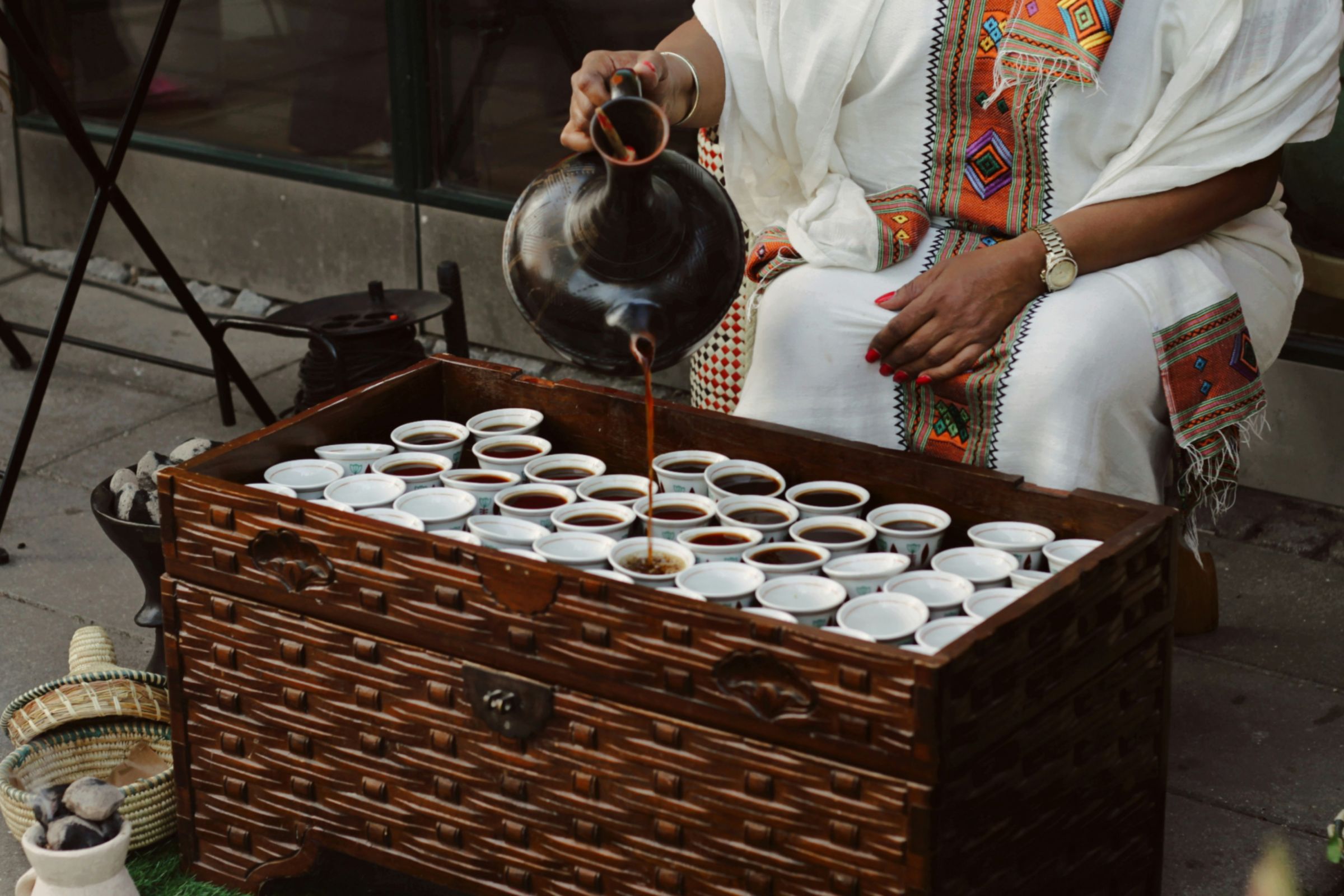
Fun Fact: Ethiopia has its own coffee culture and ceremonies. Coffee is often prepared in front of guests using traditional equipment, creating a social event as much as a coffee break.
2. Colombia: The Heart of Coffee’s Boldness
Next, we travel to Colombia, one of the most famous coffee-growing countries in the world. Nestled in the Andes Mountains, Colombia’s perfect growing conditions — including high altitudes, rich volcanic soil, and a temperate climate — give birth to some of the world’s most smooth and balanced coffee.
Colombian Coffee: Smooth and Nutty
Colombian coffee is known for its mellow flavor profile. Expect smooth, balanced cups with nutty, caramel, and chocolatey undertones, as well as bright acidity that’s never too overpowering. Colombian coffee often has a medium body and medium roast, making it an ideal everyday brew.
Fun Fact: Colombian coffee beans are primarily Arabica, which are known for their smoother, less bitter flavor. In fact, Colombia is one of the largest producers of Arabica beans in the world.
3. Brazil: The Coffee Giant
If you’re sipping on a coffee blend from your local café, chances are, it contains some Brazilian beans. As the largest coffee producer in the world, Brazil has earned a reputation as the global powerhouse of coffee. From the lush highlands of Minas Gerais to the sun-soaked fields of São Paulo, Brazil has a coffee farm for every type of coffee lover.
Brazilian Coffee: Rich, Nutty, and Chocolatey
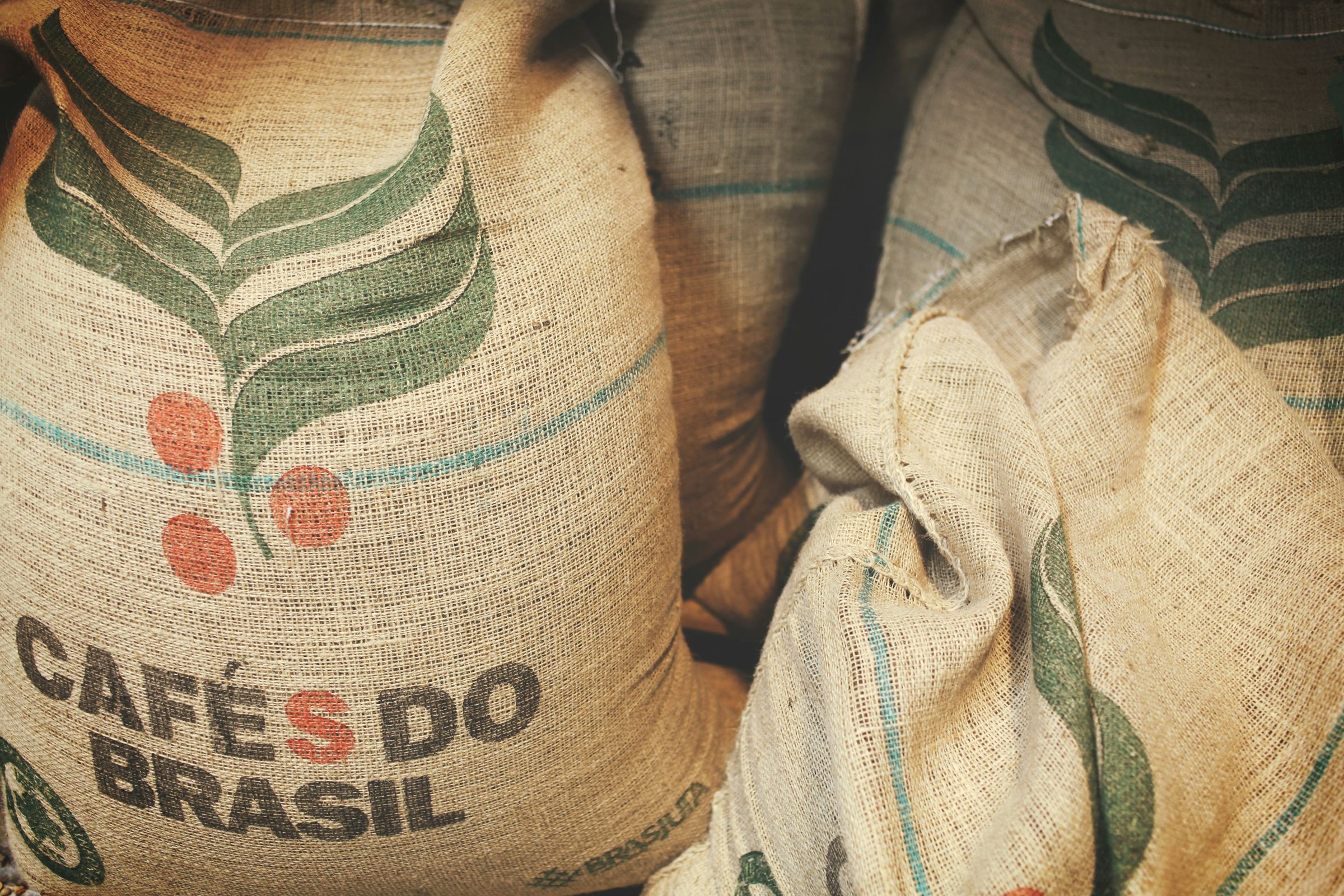
Brazilian coffees are known for their full-bodied flavor and nutty, chocolatey profile. Café de Minas is particularly prized for its smooth, earthy, and sweet taste, with notes of dark chocolate, almonds, and even honey. You’ll also find many Brazilian beans have a low acidity, making them ideal for espresso blends or people who prefer a more mellow cup.
Fun Fact: Brazil is famous for its Catuai and Bourbon coffee varieties, which are often used in specialty blends.
4. Kenya: Bold, Bright, and Beautiful
Moving from the south of the equator to the east, we land in Kenya, a country known for its vibrant and intense coffees. The high-altitude regions like Nyeri and Kirinyaga produce beans with remarkable brightness, acidity, and complexity. In Kenya, coffee is grown as a major crop, often on small family farms with a focus on quality.
Kenyan Coffee: Bold, Citrusy, and Fruity
Kenyan coffee is famous for its bright acidity and fruity notes. Expect cups with flavors of blackcurrant, citrus, and sometimes even wine-like qualities. The beans are typically washed, which enhances their clean and crisp taste. If you like your coffee with a bold punch and an explosion of flavor, Kenyan coffee is a must-try.
Fun Fact: Kenyan coffee is graded by its bean size, with the highest quality being labeled AA. Larger beans often have a more intense flavor, while smaller beans are used in blends.
5. Costa Rica: A Coffee Lover’s Paradise
Tucked in the lush Central American region, Costa Rica offers some of the finest coffees in the world. With its rich volcanic soil and tropical climate, it’s no wonder that Costa Rican coffee is known for its bright flavors, balanced acidity, and rich body.
Costa Rican Coffee: Bright, Clean, and Fruity
Costa Rican beans, especially from regions like Tarrazú and Central Valley, are often described as clean, bright, and well-balanced. You can expect flavors of citrus, tropical fruit, and even chocolate in the cup. Costa Rica’s commitment to quality has helped it become one of the most reliable sources of high-quality coffee beans in the world.
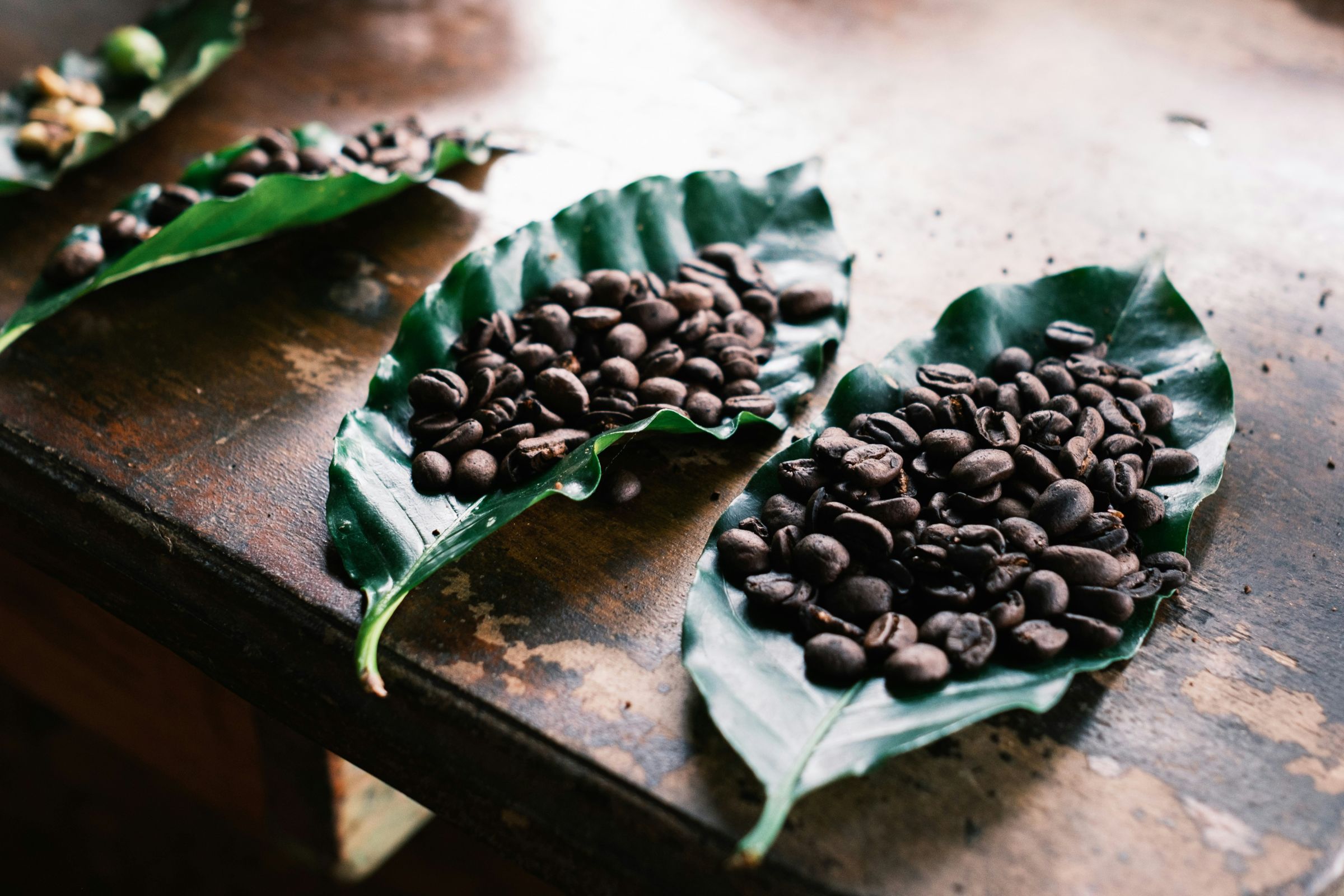
Fun Fact: Costa Rica is known for its dedication to sustainability in coffee farming. Many farms are organic and use eco-friendly practices to preserve the environment.
6. Guatemala: Where Coffee Meets Volcanoes
Nestled between Mexico and Honduras, Guatemala offers one of the most diverse coffee-growing climates in the world. The country’s volcanic soil, high altitudes, and temperate climate combine to create exceptionally flavorful beans that are adored worldwide.
Guatemalan Coffee: Spicy, Chocolatey, and Full-Bodied
Guatemalan coffees, especially those from regions like Antigua and Huehuetenango, are known for their full body and rich flavor profiles. Expect dark chocolate, spicy notes, and sometimes even a hint of smokiness. These beans offer a complex cup with a pleasant acidity that doesn’t overwhelm the palate.
Fun Fact: The country’s volcanic landscape plays a huge role in its coffee’s flavor richness, giving it that earthy depth that many coffee lovers crave.
7. Vietnam: The Rising Star of Coffee
Vietnam might not have the centuries-old coffee culture of other regions, but it has rapidly become one of the world’s top coffee producers. The country is a major exporter of Robusta beans, which are used in a variety of international blends.
Vietnamese Coffee: Strong, Bold, and Sweet
Vietnamese coffee is known for its bold and strong flavor, often made with Robusta beans, which are more bitter and have higher caffeine content than Arabica. Coffee in Vietnam is often served sweetened with condensed milk, resulting in the classic Vietnamese Iced Coffee (Cà Phê Sữa đá) — a sweet, creamy, and powerful brew that’s perfect for those who like their coffee with a little extra kick.
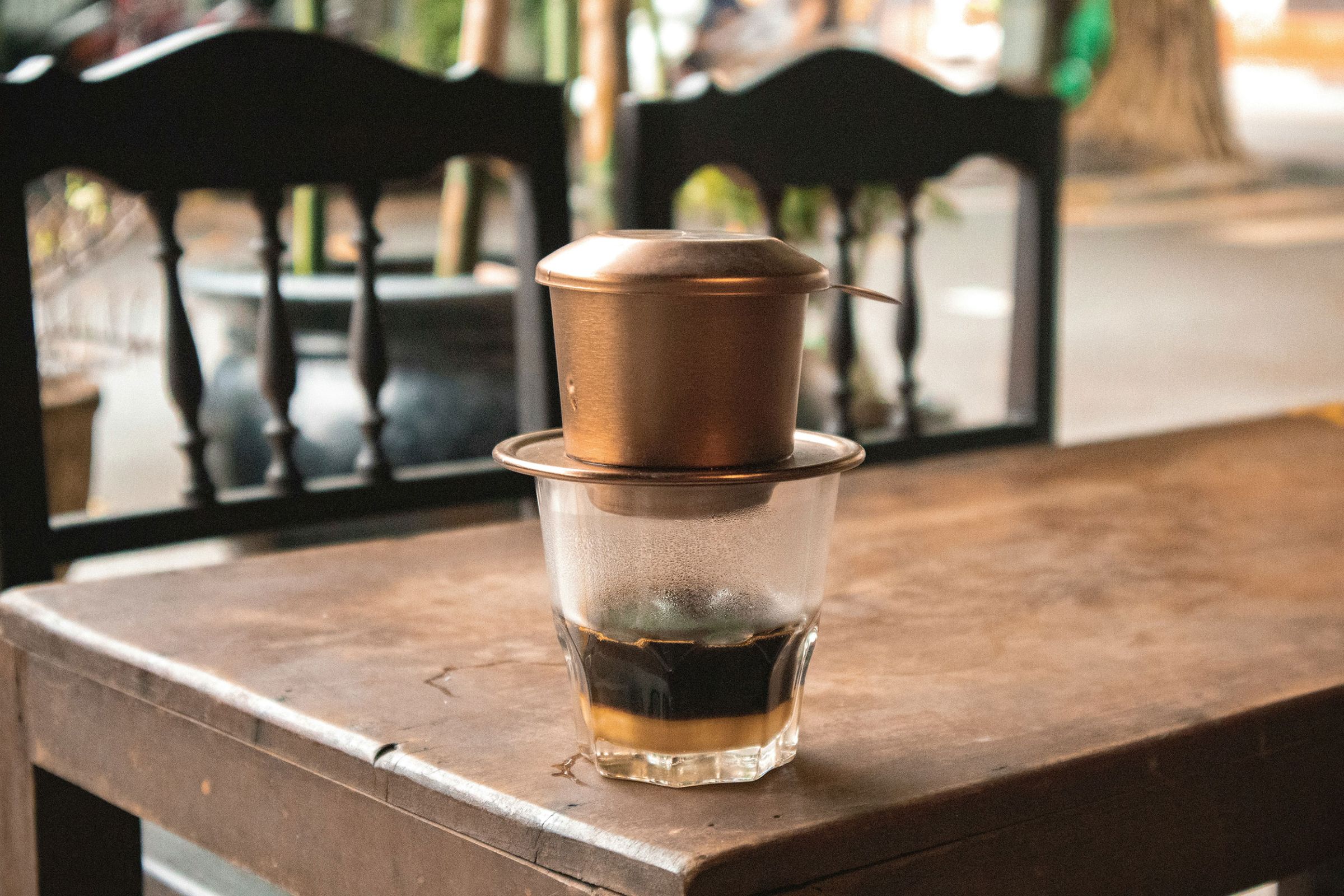
Fun Fact: The Vietnamese coffee culture includes a unique brewing method called phin, a slow-drip filter that results in a strong, concentrated brew.
8. Mexico: Flavorful and Light with a Rich History
Just south of the U.S. border, Mexico is home to a burgeoning coffee industry, particularly in the southern regions of Chiapas and Oaxaca. Mexican coffee, often produced in high-altitude regions with lush green landscapes, is known for its smooth and light-bodied characteristics.
Mexican Coffee: Mild, Nutty, and Bright
Mexican coffee tends to be mild and well-balanced, with notes of nutmeg, chocolate, and citrus. The beans often have a clean finish with a slight brightness that makes them perfect for those who prefer a more subtle, easy-drinking brew. The low acidity and smooth body make it a great option for people new to specialty coffee or those who enjoy a more mellow cup.
Fun Fact: Mexico is one of the top producers of organic coffee, with many small, family-run farms dedicated to sustainable practices.
9. Honduras: The Hidden Gem of Central America
Often overshadowed by its more famous neighbors, Honduras has been rapidly emerging as a major coffee producer. With its volcanic soil, high-altitude regions, and favorable climate, Honduras has become a favorite destination for coffee lovers seeking fresh, flavorful brews.
Honduran Coffee: Sweet, Fruity, and Balanced
Honduran coffee is known for its balanced profile, with fruity, citrusy, and honeyed notes. The beans often have a medium body and a pleasant acidity that makes for a bright, refreshing cup. It’s a coffee that pairs well with a variety of brewing methods, from pour-over to espresso.
Fun Fact: Honduras is home to some specialty coffee cooperatives that support small farmers, promoting fair trade and ethical practices.
10. Peru: Organic, Sustainable, and Full of Flavor
With its vast, Andean highlands and lush Amazon rainforest, Peru produces some of the finest organic coffees in the world. Farmers in Peru tend to cultivate coffee at high altitudes, resulting in beans with a unique flavor profile.
Peruvian Coffee: Bright, Sweet, and Floral
Peruvian coffee is often light to medium-bodied, with bright acidity and a variety of floral, fruity, and caramel notes. Coffees from regions like Cajamarca and Puno offer a clean, vibrant cup that’s perfect for filter brewing or pour-over methods. The flavor is typically smooth, with a delicate finish, making it a great option for those who enjoy a more elegant and complex brew.
Fun Fact: Peru is one of the world’s largest producers of organic coffee, and many of its farms are part of fair trade cooperatives that ensure farmers are paid fairly for their labor.
11. India: A Blend of Spice and Coffee
India is often overlooked in the global coffee conversation, but this vibrant country is home to a fascinating coffee culture. Grown mostly in the southern states of Karnataka, Kerala, and Tamil Nadu, Indian coffee offers a unique spicy and earthy flavor profile.
Indian Coffee: Bold, Spicy, and Full-Bodied
Indian coffee is often grown in the shadow of the country’s sprawling mountain ranges and is known for its robust, earthy flavors. A distinctive characteristic of Indian coffee is its ability to balance spicy, woody, and slightly smoky notes, along with a smooth body. Monsooned Malabar, a famous coffee from India, is particularly known for its mellow, smooth, and slightly musty flavor due to its unique monsoon process. These coffees are low in acidity, making them a great choice for those who prefer a heavier brew.
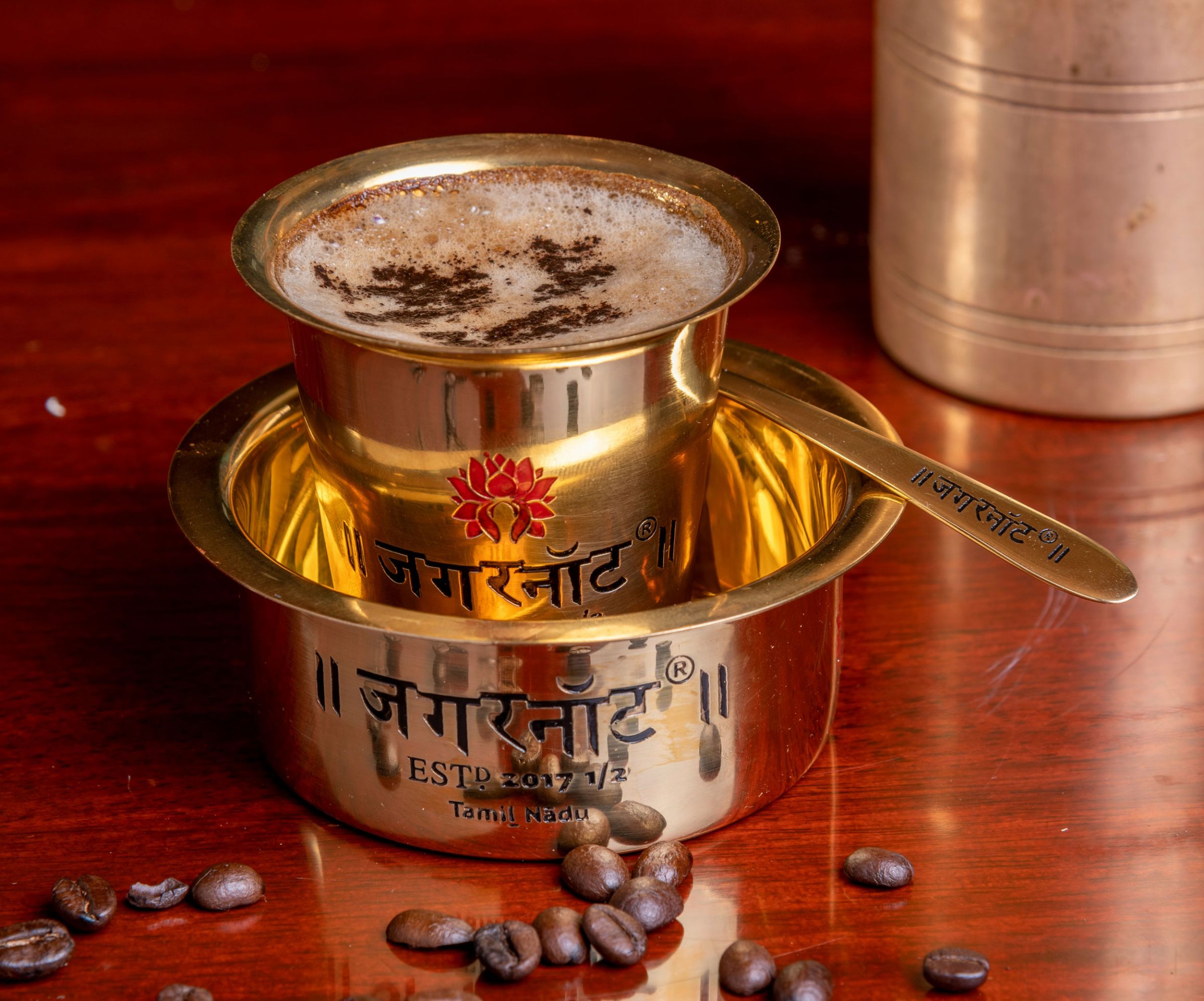
Fun Fact: Indian Filter Coffee is a traditional style that uses a metal filter to brew coffee slowly, resulting in a strong, creamy drink often served with milk and sugar.
12. Nicaragua: The Coffee Paradise of Central America
Nicaragua has steadily been gaining recognition for its high-quality Arabica beans, grown in the fertile regions of Jinotega, Matagalpa, and Estelí. The country’s coffee benefits from the same volcanic soil and high altitudes that make other Central American coffees so beloved.
Nicaraguan Coffee: Rich, Balanced, and Smooth
Nicaraguan coffee is typically medium-bodied with balanced acidity and a mild sweetness. It has flavor notes of chocolate, caramel, and sometimes red fruit. Whether you're drinking it as a black brew or in a latte, Nicaraguan coffee provides a rich, smooth experience that’s not too intense but just flavorful enough to keep you coming back for more.
Fun Fact: Nicaragua is known for its commitment to sustainable coffee farming, with many farmers using shade-grown practices and seeking fair trade certifications.
13. Jamaica: The Luxury of Blue Mountain Coffee
On the island of Jamaica, coffee lovers flock to the famous Blue Mountains, home to one of the most coveted coffee varieties in the world: Jamaican Blue Mountain Coffee. Due to the unique geography and microclimates of the Blue Mountains, this coffee is one of the rarest and most expensive in the world.
Jamaican Blue Mountain Coffee: Smooth, Mild, and Complex
Jamaican Blue Mountain Coffee is known for its smooth and mild flavor profile. Expect delicate notes of floral sweetness, bright acidity, and a creamy texture. The coffee is typically low in bitterness, making it a perfect choice for those who enjoy a more refined and luxurious coffee experience.
Fun Fact: Due to its limited production and high demand, Blue Mountain Coffee can be quite expensive — a true treat for coffee aficionados.
14. Papua New Guinea: A Hidden Coffee Treasure
The island nation of Papua New Guinea (PNG) is home to a burgeoning coffee industry that’s been gaining attention for its unique and vibrant flavors. Grown in the highlands of PNG, the coffee benefits from rich, fertile soil and a tropical climate.
Papua New Guinea Coffee: Fruity, Sweet, and Earthy
Papua New Guinea coffee is known for its fruity, floral, and earthy flavors. Expect bright acidity with notes of tropical fruit, chocolate, and honey. Many coffees from PNG have a distinctive, herbal flavor, making them a great choice for those who enjoy a unique cup with a little something extra.
Fun Fact: Coffee is one of the main export crops in Papua New Guinea, and the industry provides economic support to many rural farming communities.
15. El Salvador: A Coffee Jewel in Central America
Small but mighty, El Salvador produces some of the highest-quality coffee in the world. Known for its dedication to producing specialty coffee, El Salvador’s highland regions like Sonsonate and Ahuachapán are home to some truly exceptional beans.
Salvadoran Coffee: Nutty, Chocolatey, and Smooth
El Salvadoran coffee is often sweet, smooth, and well-balanced, with flavor notes of chocolate, nuts, and citrus. It’s a great coffee for filter brewing, offering a clean and mellow cup. The coffee is typically grown at high altitudes, where the cooler temperatures help produce beans with complex flavors and pleasant acidity.
Fun Fact: El Salvador is known for its exceptional coffee competitions, where producers showcase their best beans to compete for top honors.
16. Honduras: Rising Star of Central America
Though often overshadowed by its neighbors, Honduras is rapidly becoming a coffee powerhouse in Central America. With its volcanic soil, high altitudes, and perfect growing conditions, Honduras is producing exceptionally high-quality coffee that rivals more established producers.
Honduran Coffee: Fruity, Sweet, and Rich
Honduran coffee is known for its medium to full-bodied richness, often with fruity and sweet characteristics. You can expect notes of cherry, apple, and citrus, balanced with a slightly nutty and chocolatey undertone. It’s often described as smooth, with a clean finish and bright, but not overpowering, acidity.
Fun Fact: Honduras is one of the largest producers of organic coffee in Central America, and much of its coffee is produced by smallholder farmers committed to sustainable practices.
17. Yemen: The Birthplace of Mocha
Coffee in Yemen has a long, rich history, dating back centuries to when it was one of the first regions to cultivate and trade coffee beans. While Yemeni coffee has a small global footprint today, it remains a highly prized variety, often referred to as "the birthplace of Mocha."
Yemeni Coffee: Spicy, Complex, and Bold
Yemen’s coffee is known for its bold, spicy flavor profile, with notes of cocoa, spice, and dried fruit. The beans are often grown in high-altitude regions and are naturally processed, which contributes to their earthy, complex flavor. Yemeni coffee is typically full-bodied, with a distinct, deep sweetness that is often likened to dark chocolate or molasses. The low acidity gives it a unique, velvety smooth finish.
Fun Fact: The coffee beans from Yemen are often handpicked and naturally dried in the sun, a traditional method that adds complexity to the flavor.
18. Uganda: Bold, Rich, and Mysterious
Uganda, though best known for its Robusta coffee, also produces exceptional Arabica beans, particularly in regions like Mountains of the Moon and Bugisu. The country’s diverse landscapes, from tropical rainforests to high-altitude regions, contribute to the rich, bold flavor of Ugandan coffee.
Ugandan Coffee: Rich, Full-Bodied, and Bold
Ugandan coffee, especially Arabica from the Mountains of the Moon, is often full-bodied with a rich, earthy flavor profile. Expect notes of dark chocolate, spices, and a touch of smokiness. Robusta coffees from Uganda are even bolder, with a strong, earthy flavor and higher caffeine content, which makes them a popular choice for espresso blends.
Fun Fact: Uganda is one of the few countries in Africa where Robusta coffee is grown on a large scale, and it’s a critical crop for the country’s economy.
19. China: The Emerging Coffee Giant
While China is typically known for its tea, it has also begun to make a name for itself in the world of coffee. Yunnan Province, located in the southwest, is China’s main coffee-growing region. The country’s coffee is steadily gaining recognition for its unique flavors and potential.
Chinese Coffee: Mild, Sweet, and Balanced
Chinese coffee, particularly from Yunnan, is known for its mild, sweet flavor profile, with floral and fruity notes, along with a light, clean finish. The coffee is generally low in acidity, with a smooth body and a touch of honeyed sweetness. While not as well-known as other coffee origins, Chinese coffee is rapidly becoming a popular alternative for those who prefer a gentler brew.
Fun Fact: China’s coffee industry is expanding, and the government has been investing heavily in the coffee sector to promote sustainability and improve the quality of the beans.
20. Thailand: The Rising Star of Southeast Asian Coffee
While Thailand is traditionally known for its tea, the country has been quietly making a name for itself in the coffee world. Over the past few decades, the country has invested heavily in its coffee industry, particularly in the northern regions like Chiang Mai and Chiang Rai, where the combination of cool highlands and rich, fertile soils creates ideal conditions for growing coffee.
Thai Coffee: Smooth, Sweet, and Nutty
Coffee from Thailand is typically smooth, medium-bodied, and well-balanced with mild acidity. The beans often feature sweet, nutty flavors, with prominent notes of chocolate, hazelnut, and sometimes a hint of spice. Thai coffee tends to have a clean finish, making it an excellent option for those who enjoy a coffee that isn’t overly bright but still offers a nuanced and complex cup.
Fun Fact: Thailand is becoming known for its "Thai iced coffee" (or "Oliang"), a sweet, condensed milk-based iced coffee that’s a popular street beverage in many parts of the country. However, the country’s specialty coffee industry is increasingly gaining global recognition, with coffee from northern regions like Chiang Rai and Chiang Mai earning awards at international coffee competitions.

A World Tour in Every Cup
From the volcanic soils of Guatemala to the sun-soaked hills of Brazil, coffee’s origins are as diverse as the people who drink it. Each coffee-growing country brings its own unique flavors, cultures, and traditions, making coffee a true global adventure in a cup. Whether you’re sipping a bright Kenyan brew, a rich Colombian cup, or a creamy Jamaican Blue Mountain, you’re experiencing the terroir of a faraway place — a story that spans continents and centuries.
So, the next time you sip your favorite coffee, remember: it’s not just about the flavor; it’s about the journey the beans have traveled. Your cup is a window into the world, one delicious sip at a time.