
Caffeine Hacks for Better Focus
We all know that caffeine is the go-to tool for an energy boost, but what if we told you that with the right caffeine hacks, you could not only feel more awake but also improve focus and productivity? The trick lies in how, when, and with what you use caffeine. Whether you’re tackling a big project, trying to stay alert for a long meeting, or just need to get in the zone, these caffeine hacks could be your secret weapon for peak performance.
In this post, we’re diving into some game-changing caffeine strategies, including microdosing caffeine, timing your intake, and stacking caffeine with L-theanine. These tips will have you turning your caffeine fix into an efficiency supercharge—without the jitters or crashes. Let’s get brewing!
1. Microdosing Caffeine: Small Sips, Big Gains
What is Microdosing Caffeine?
Microdosing caffeine is the practice of taking small, controlled doses of caffeine throughout the day, rather than consuming a large amount all at once. The concept of microdosing isn't new—it's become popular in various contexts, from psychedelics to nutrition—but when applied to caffeine, it offers a subtle yet effective approach to enhancing focus, energy, and performance without overwhelming your system.
So, what does it actually mean to microdose caffeine? Instead of chugging a massive cup of coffee that’s loaded with 95–150 mg of caffeine, you’ll opt for smaller, strategic doses spread throughout your day, usually in the range of 25–50 mg per dose (about a quarter to a half of the caffeine in a typical cup of coffee). Think of it as taking mini sips of energy designed to keep you sharp without the jitters or the subsequent crash that often comes with larger doses.
The Science Behind Microdosing Caffeine
When you consume caffeine, it blocks adenosine receptors in the brain, which are responsible for making you feel tired. This leads to the stimulating effects of caffeine—heightened alertness, improved concentration, and enhanced mood. However, consuming too much caffeine at once can overstimulate your system, leading to nervousness, shaky hands, or a crash when the caffeine wears off. This is why microdosing works: by giving your body just the right amount of caffeine, you can maintain steady energy and focus, while avoiding the disruptive side effects.
Here’s how microdosing can benefit you:
- Steady, sustained energy: By taking smaller amounts of caffeine at regular intervals, you can avoid energy spikes and crashes, keeping your energy level consistent throughout the day.
- Enhanced focus without jitters: A small amount of caffeine provides the cognitive boost you need, but without the overstimulation that can happen with larger doses.
- Better tolerance: Over time, microdosing may help you build a tolerance to caffeine’s effects, allowing you to enjoy its benefits without becoming too reliant on large amounts.
- Lower risk of dependence: By using caffeine in moderation, you lower the risk of developing a caffeine dependency, which can cause fatigue and mood swings when you don’t get your regular dose.
How to Microdose Caffeine Effectively
Now that you know what microdosing is, here’s how to do it right:
1. Start with Small Amounts
If you're new to microdosing caffeine, start with a very small dose—around 25 mg of caffeine. This is roughly equivalent to:
- A half-shot of espresso.
- A small cup of green tea or a decaf coffee (though decaf still has a bit of caffeine).
You can experiment with your caffeine intake based on how your body responds. If you feel good and energetic but not jittery, you're on the right track.
2. Spread Out Your Doses
Instead of drinking an entire cup of coffee in the morning, spread your caffeine intake throughout the day. For example:
- Morning: Start with a small coffee or tea (about 25–50 mg).
- Mid-morning: Have a small espresso shot or a matcha latte for another 25 mg.
- Early afternoon: Maybe a green tea or a small iced coffee to maintain focus.
The key is to avoid drinking caffeine in large quantities at once. Spacing out smaller doses keeps your energy levels consistent without overwhelming your system.
3. Track Your Caffeine Intake
Keep track of how much caffeine you’re consuming each day and how your body reacts to different amounts. Everyone has a unique caffeine tolerance, so it’s important to monitor your energy levels and adjust as needed. If you feel anxious, shaky, or overstimulated, it’s a sign that you might be overdoing it—so scale back!
4. Consider Your Caffeine Sources
Caffeine content varies significantly between drinks, so it’s crucial to know how much you’re consuming with each one. Here you can check Caffeine Content in different types of Coffee.
Coffee Caffeine Calculator
Here’s a rough idea of caffeine content across various drinks:
- Espresso shot: ~75 mg
- Regular brewed coffee (8 oz): ~95 mg
- Green tea (8 oz): ~25–30 mg
- Matcha (8 oz): ~70 mg
- Energy drinks: ~80–150 mg (varies by brand)
- Dark chocolate: ~20 mg per ounce
With microdosing, you’ll likely rely more on low-to-moderate caffeine drinks like green tea, matcha, or single shots of espresso, all of which allow you to precisely control your intake.
Why Microdosing Caffeine Can Be a Game-Changer for Focus
Now that you understand how microdosing caffeine works, here are a few reasons why it might be the perfect strategy for improving focus and mental clarity:
1. Enhanced Mental Performance
Rather than hitting a wall of energy with a big coffee, microdosing allows you to maintain sharpness and mental clarity all day. It keeps you alert without the mental fog or jitters. This steady stream of caffeine helps improve cognitive function over a prolonged period of time, making it ideal for deep work or long study sessions.
2. Sustained Energy Levels
By timing your caffeine intake, you’ll have energy when you need it and still feel balanced. This is particularly useful if you’re working on tasks that require deep concentration, like writing, coding, or learning. Microdosing ensures you don’t experience the dreaded energy crash that often follows a big caffeine intake.
3. Caffeine Without the Anxiety
One of the biggest complaints people have about drinking a lot of coffee is the anxiety or nervousness that can come with too much caffeine. By microdosing, you avoid these side effects while still benefiting from caffeine’s focus-enhancing effects. You get the benefits without the downsides!
4. Better Control Over Your Intake
If you’ve ever had a cup of coffee that left you feeling too wired or jittery, microdosing gives you more control over how much caffeine you’re putting in your system. It’s a more personalized approach to caffeine that allows you to tailor your consumption to your needs.
2. Timing for Max Performance: When to Drink Caffeine for Peak Focus
It’s not just about how much caffeine you’re getting, but when you’re drinking it. Your body has natural peaks and dips in energy, and by timing your caffeine intake strategically, you can align your focus and productivity with those natural rhythms.
The Best Time to Drink Caffeine
- Morning (Within 30-60 minutes of waking): When you first wake up, your body naturally produces cortisol, a stress hormone that helps you feel awake and alert. If you have caffeine too soon, it can interfere with cortisol production and reduce its effectiveness. So, wait about 30-60 minutes after waking before drinking your first cup of coffee. This way, you can harness the full power of both cortisol and caffeine.
- Pre-Workout (30-45 minutes before exercise): If you need a performance boost for a workout, caffeine can enhance strength, endurance, and focus. Take caffeine about 30-45 minutes before exercising to maximize its effects.
- Midday Slump (Around 1-3 PM): We’ve all been there—after lunch, energy dips and focus falters. This is the perfect time for a small caffeine boost to power you through the rest of the day. Try a matcha latte or a shot of espresso, which will help you fight the mid-afternoon lull.
- Avoid late Caffeine: Try to cut off caffeine at least 6 hours before bedtime. While caffeine can help you stay alert during the day, consuming it late in the evening can interfere with your ability to fall asleep. Caffeine can stay in your system for several hours, so keep it early if you want to sleep like a baby!
Pro Tip:
If you're trying to stay productive later in the day, try to avoid consuming caffeine too late. A green tea or decaf coffee can still give you a slight energy boost without disrupting your sleep cycle.
3. Stacking Caffeine with L-Theanine: The Dream Team for Focus
What is L-Theanine?
L-theanine is an amino acid that naturally occurs in tea leaves (especially green tea) and certain types of mushrooms. Unlike caffeine, which is known for its stimulating effects, L-theanine has a calming influence on the brain. It promotes relaxation, helps reduce stress, and can improve mood. However, it doesn’t make you sleepy—instead, it leads to a state of focused calm that makes it easier to concentrate, solve problems, and stay productive.
L-theanine works by increasing the production of certain neurotransmitters like serotonin and dopamine, which regulate mood, focus, and cognition. It also boosts alpha brain waves, which are associated with a relaxed but alert state. This is where L-theanine pairs perfectly with caffeine: caffeine stimulates the nervous system, while L-theanine calms it, allowing you to enjoy the best of both worlds—alertness without the jitters.
Why Stack Caffeine with L-Theanine?
When caffeine and L-theanine are combined, they complement each other in such a way that the benefits of both are enhanced while minimizing any potential negative side effects (like anxiety, nervousness, or a crash). Here’s why this combination works so well:
1. Balanced Energy and Focus
Caffeine is a central nervous system stimulant that enhances alertness, cognitive function, and reaction time by blocking adenosine receptors in the brain (which normally make you feel tired). However, this stimulation can sometimes lead to nervousness, jitters, and even overstimulation. Enter L-theanine: this amino acid promotes relaxation without sedation, helping to calm the fight-or-flight response caused by caffeine’s stimulating effects.
Together, caffeine and L-theanine work in perfect harmony, providing a smooth, sustained boost of energy and focus without the downside of feeling frazzled or anxious.
2. Improved Cognitive Performance
Research has shown that combining caffeine and L-theanine can lead to better cognitive performance, especially when it comes to attention, alertness, and memory. One study found that participants who took both caffeine and L-theanine showed improved task-switching ability, meaning they were able to more effectively shift focus between tasks—an essential skill for anyone looking to stay productive throughout the day.
The synergy between the two also appears to help with learning. So, whether you’re cramming for exams, tackling a complex project, or trying to absorb new information, stacking caffeine with L-theanine can help keep your brain at its peak performance.
3. Enhanced Mood and Stress Reduction
L-theanine is known for its anti-stress properties. It helps reduce levels of cortisol (the stress hormone) and promotes the production of serotonin and dopamine, neurotransmitters that contribute to feelings of well-being. When caffeine is combined with L-theanine, you get all the positive effects of caffeine’s stimulation, but without the irritability that often comes with it.
In short, the combo helps you stay alert, positive, and mentally clear—without the burnout. It's like having the best of both worlds: the focus from caffeine and the calm from L-theanine.
How to Stack Caffeine and L-Theanine: The Right Ratio
The effectiveness of the caffeine-L-theanine stack depends on the ratio of each. Here’s how to find the sweet spot:
1. The Typical Ratio: 1:2 (Caffeine: L-Theanine)
Most research and personal experiences suggest a 1:2 ratio of caffeine to L-theanine, meaning for every 100 mg of caffeine, you should take about 200 mg of L-theanine. This ratio works well for most people, as it ensures you get the stimulating effects of caffeine without feeling jittery or overly stimulated.
For example:
- 1 cup of coffee (about 95 mg of caffeine) + 190 mg of L-theanine (found in some supplements or through two cups of green tea)
- 1 shot of espresso (about 75 mg of caffeine) + 150 mg of L-theanine
2. Adjust Based on Tolerance
As with any supplement, you’ll want to adjust the ratio based on your personal tolerance to caffeine and L-theanine. If you’re someone who’s sensitive to caffeine, start with a lower dose of caffeine and a higher dose of L-theanine. If you’re used to drinking large amounts of coffee or energy drinks, you might find that you need a little more caffeine in the stack to feel its effects.
3. Matcha: The Natural Combo

If you prefer to stick to whole foods, matcha is a natural and delicious option. This green tea powder contains both caffeine and L-theanine in a natural balance. Matcha typically has about 70 mg of caffeine per 8 oz serving, and the L-theanine content helps reduce the intensity of caffeine’s stimulating effects. A matcha latte or iced matcha is an excellent, easy-to-consume alternative to mixing supplements.
When to Use the Caffeine + L-Theanine Stack
1. For Long Work Sessions
If you’re planning on a long day of work or studying, this stack is perfect. It keeps you focused and alert, without feeling like you need to chug coffee every hour. A steady stream of caffeine combined with L-theanine helps you maintain a high level of cognitive performance for several hours.
2. When You Need to Stay Calm and Focused
For tasks that require intense focus, such as problem-solving, creative work, or meeting deadlines, this stack helps you stay calm under pressure. Unlike caffeine alone, which can make you feel jittery or anxious, L-theanine helps you feel level-headed, allowing for deeper concentration.
3. Before Mental Challenges
This combo is great before any mental challenge—whether it’s a presentation, a long meeting, or brain-intensive tasks like writing, coding, or learning something new. It helps you stay sharp, calm, and mentally alert without feeling overstimulated.
4. For Enhanced Relaxation (Without Drowsiness)
If you need to relax but don’t want to feel sleepy, this stack can help you enter a state of focused relaxation. It’s the perfect combo for late-night study sessions, long brainstorming sessions, or any time you want to stay productive but need to avoid that wired feeling.
Where to Get L-Theanine
- Supplements: You can find L-theanine supplements at most health food stores or online. These often come in capsules or tablets, making it easy to control your dose. Many supplement brands offer caffeine + L-theanine combo pills specifically designed for focus and cognitive support.
- Green Tea: If you prefer a natural source, opt for green tea or matcha. While they contain less caffeine than coffee, they’re a great way to start your day with a smooth, focused energy boost.
4. Hydration + Caffeine = A Match Made in Focus Heaven
Caffeine is diuretic, which means it can lead to dehydration if you’re not careful. Dehydration, in turn, can negatively affect your focus and productivity, leading to that sluggish, brain fog feeling. To optimize your caffeine intake, make sure you’re staying properly hydrated throughout the day.
Why Hydration Is Crucial for Focus and Energy

We know that water makes up about 60% of the human body, so staying hydrated is fundamental for nearly every aspect of your physical and mental well-being. It’s not just about quenching your thirst—it’s about maintaining optimal bodily functions, including those of the brain, which consumes about 20% of your body’s energy at rest.
Here’s how dehydration impacts focus and cognitive performance:
- Mental Fatigue: Even mild dehydration (just 1-2% loss in body weight) can lead to feelings of fatigue and reduced mental clarity. It can make it harder to focus, remember things, or think clearly.
- Reduced Brain Power: Dehydration can affect key brain functions like attention, memory, and reaction time. A hydrated brain has better connectivity between cells, allowing you to make decisions faster and process information more effectively.
- Mood and Motivation: Studies have shown that even small amounts of dehydration can lead to irritability and mood swings, making it more difficult to stay motivated or remain productive throughout the day. Hydration helps maintain positive mood states, which are essential for focus.
- Physical Energy: Lack of hydration can also lead to physical sluggishness. You might feel fatigued or sluggish, making it difficult to maintain the energy levels needed to power through your tasks.
The Magic of Caffeine: Focus and Alertness
Now, let’s talk about caffeine—specifically how it stimulates the brain and makes us feel more alert and focused.
Caffeine is a natural stimulant that works by blocking adenosine receptors in the brain. Adenosine is a neurotransmitter that promotes relaxation and sleepiness, so when caffeine blocks these receptors, it essentially turns off the signals that make you feel tired. The result? An increase in the production of dopamine and norepinephrine, neurotransmitters that enhance alertness, concentration, and mood.
Here’s the kicker: caffeine can dehydrate you—yes, that’s right! While the diuretic effect of caffeine isn’t as severe as some might think, caffeine does have a mild dehydrating effect. It increases urine production, which can contribute to dehydration if you're not mindful of your fluid intake.
But fear not! This is where hydration comes to the rescue, ensuring that caffeine can do its job without any unwanted side effects.
The Benefits of Combining Hydration with Caffeine
When you pair hydration with caffeine, you get the best of both worlds: the mental clarity and focus-enhancing effects of caffeine combined with the sustained energy and cognitive support that comes from being well-hydrated.
Here’s how they complement each other:
1. Enhanced Focus and Clarity
Proper hydration supports optimal brain function, which makes the focus-enhancing effects of caffeine even more pronounced. With a hydrated brain, caffeine can work more effectively to boost your attention, memory, and reaction time, giving you the mental clarity you need to tackle challenging tasks.
Without hydration, caffeine can feel more like a temporary solution that leaves you feeling jittery and unfocused. But when you’re properly hydrated, the combination of caffeine and water creates a more balanced, sustained focus that lasts throughout the day.
2. Sustained Energy Without the Crash
Caffeine is known for its ability to boost energy levels and improve alertness, but after that initial peak, there’s often a sharp drop in energy—leading to the dreaded caffeine crash. However, when you stay hydrated, your body is able to process the caffeine more efficiently, allowing you to enjoy the benefits without a rapid decline in energy.
Hydration also helps maintain a steady level of blood sugar and hydration, reducing the chances of an energy slump, which is a common occurrence when you're caffeine-deprived or dehydrated.
3. Improved Mood and Productivity
The mood-boosting effects of both caffeine and hydration work together to help you maintain a positive attitude throughout your day. When you drink caffeine while properly hydrated, you’re likely to feel energized but calm, focused, and in a good mood. This combination helps you stay productive and motivated, even during long or stressful workdays.
4. Better Cognitive Function
Dehydration impairs cognitive function, making it difficult to think clearly or make decisions quickly. On the other hand, hydration supports better mental processing and critical thinking skills. Pairing caffeine with hydration means your brain stays sharp and able to process information more effectively, which is crucial when you're juggling multiple tasks or need to make quick decisions.
How to Stay Hydrated While Enjoying Caffeine
Now that we’ve covered the importance of pairing hydration with caffeine, let’s dive into how to make this combo work for you in everyday life.
1. Start Your Day with Water
Before you even think about reaching for that cup of coffee, start your day with a glass of water. Hydrating first thing in the morning helps jumpstart your metabolism, rehydrates your body after hours of sleep, and gives you a better foundation for the caffeine to work its magic. Aim for at least 8 oz of water before your first cup of coffee or tea.
2. Drink Water Between Caffeine
Instead of sipping coffee or tea all morning, alternate with water. For every cup of coffee you drink, try to have a glass of water alongside it. This helps maintain hydration levels throughout the day and ensures you're not getting dehydrated while relying on caffeine to stay alert.
3. Caffeine and Electrolytes
If you find yourself relying heavily on caffeine, you might want to consider adding an electrolyte drink to your routine, especially if you’re drinking caffeinated beverages that tend to dehydrate you (like energy drinks or strong coffee). Electrolytes help your body retain water and can boost your hydration levels, which keeps you feeling refreshed and ready to tackle your tasks.
4. Hydrating Coffee Alternatives
If you want the benefits of caffeine without the dehydration risk, consider switching to hydrating alternatives like iced coffee, cold brew, or matcha. These drinks have a higher water content, which can help you stay hydrated while still giving you the caffeine boost you crave.
5. Caffeine-Free Focus Boosters: For When You Need a Break
Caffeine doesn’t have to be the only tool in your productivity arsenal. If you’ve hit your caffeine limit for the day or you just want to mix things up, here are a few caffeine-free focus boosters:
1.Mindful Breathing and Meditation

Sometimes, the best way to recharge your mental focus isn’t through a substance at all but through something as simple as breathing. Mindful breathing exercises or even short sessions of meditation have been shown to increase focus, reduce stress, and improve overall cognitive performance.
When you practice focused breathing, you activate the parasympathetic nervous system, which helps to reduce stress and brings your body into a state of calm—perfect for deep focus. Even just 5 minutes of deep breathing can reset your mind and make it easier to concentrate on the task at hand.
Breathing Techniques to Try:
- Box Breathing: Inhale for a count of 4, hold for 4, exhale for 4, hold for 4. Repeat for 1-2 minutes to bring focus and clarity.
- 4-7-8 Breathing: Inhale for 4 seconds, hold for 7 seconds, and exhale for 8 seconds. This is great for stress reduction and relaxation.
- Mindful Breathing: Focus on your breath, inhaling deeply through your nose and exhaling slowly through your mouth, letting thoughts come and go.
2.Exercise: Move Your Body, Clear Your Mind
If you want a quick mental reset that helps both your body and mind, exercise is a powerful tool. Physical activity increases blood flow to the brain, stimulates the release of endorphins, and improves overall mental clarity. Even a short burst of exercise can boost focus, energy, and motivation, making it easier to stay on task for longer periods.
Exercise for Focus:
- Quick Walks: A brisk walk (especially outside) can refresh your brain and give you new perspective.
- Stretching: Short stretching breaks can reduce tension and improve circulation, helping you stay alert.
- Yoga: Yoga combines movement with breathwork and mindfulness, promoting mental calmness while also boosting focus.
3.Herbal Supplements: Nature’s Focus Helpers
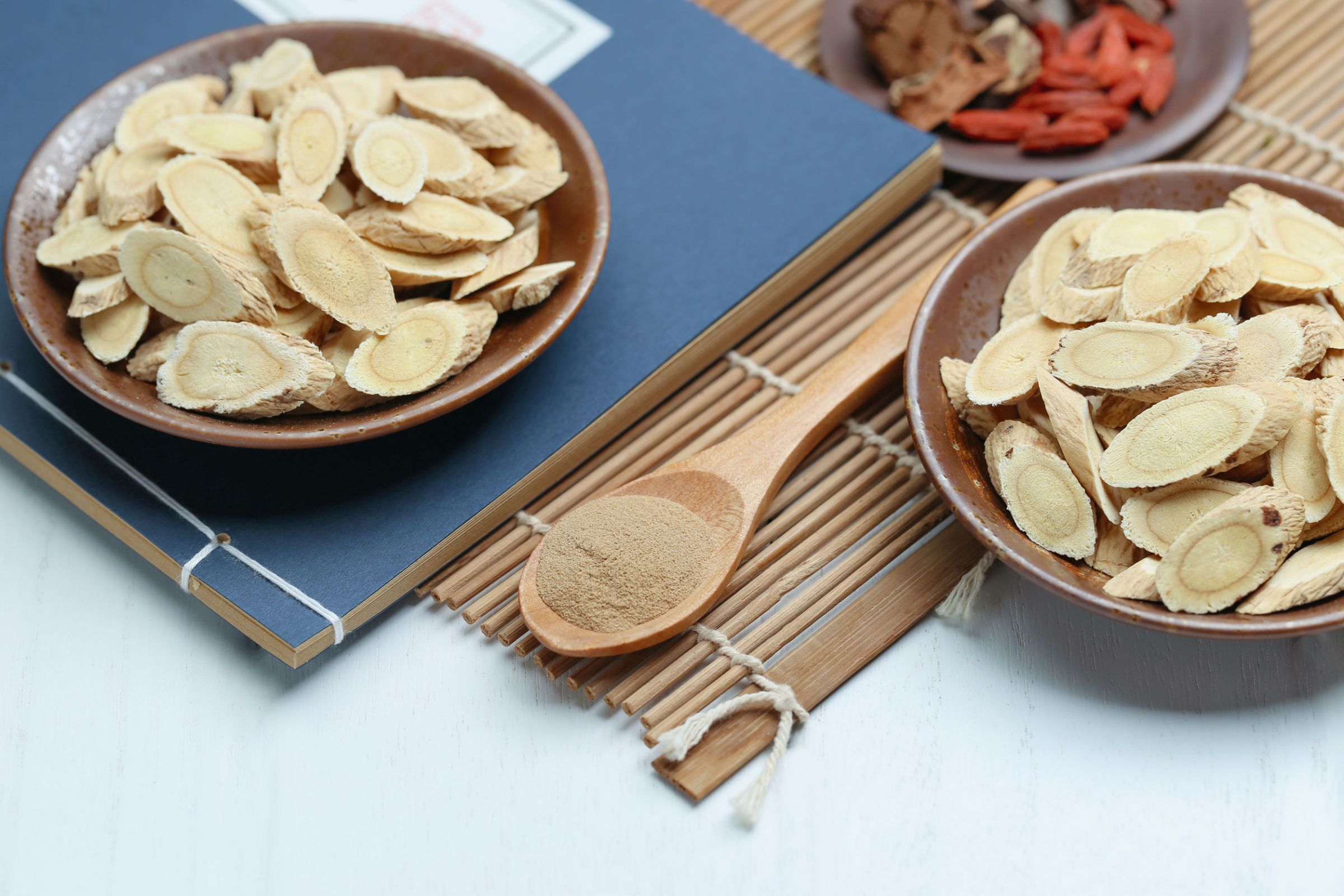
If you’re looking for a caffeine-free natural boost, certain herbs and plants have been shown to enhance cognitive function, memory, and mental clarity. Some of these options are packed with adaptogens, which help your body respond to stress and increase mental resilience.
Top Herbal Focus Boosters:
- Ginkgo Biloba: Often used to enhance memory and mental clarity, Ginkgo biloba has been shown to improve blood circulation to the brain, which can enhance focus.
- Rhodiola Rosea: Known for its ability to reduce fatigue and improve concentration, Rhodiola is an excellent adaptogen that can help you stay sharp during stressful periods.
- Bacopa Monnieri: An herb traditionally used in Ayurvedic medicine, Bacopa has been shown to support memory and cognitive function over time.
- Panax Ginseng: This root has long been used to improve mental performance and reduce fatigue, making it ideal for sustained focus.
4. Dark Chocolate: A Sweet Focus Helper
No, this isn’t an excuse to grab your favorite candy bar—but dark chocolate (with a high percentage of cocoa) can provide a modest focus boost without relying on caffeine. Dark chocolate contains theobromine, a natural stimulant that promotes alertness and focus, but it’s much gentler than caffeine.
Plus, dark chocolate has antioxidants that support brain health, helping you feel clear-headed and productive without the spike-and-crash associated with caffeinated drinks.
How to Enjoy Dark Chocolate for Focus:
- Choose 70% cocoa or higher for the best results.
- Pair dark chocolate with nuts or a handful of berries to create a balanced, focus-enhancing snack.
5. Proper Sleep: The Best Focus Booster of All
It sounds obvious, but sometimes the best way to boost your focus is by giving your body the rest it truly needs. Sleep is the body’s way of recharging both mentally and physically, and it has a profound impact on cognitive function, mood, and energy levels. Sleep helps consolidate memories, clear brain fog, and restore your mental clarity, all of which are crucial for optimal focus.
Sleep Tips for Better Focus:
- Aim for 7-9 hours of quality sleep each night.
- Stick to a consistent sleep schedule, going to bed and waking up at the same time each day.
- Create a sleep-friendly environment by minimizing noise, light, and distractions before bedtime.
6. Healthy Snacks to Keep Your Brain Energized
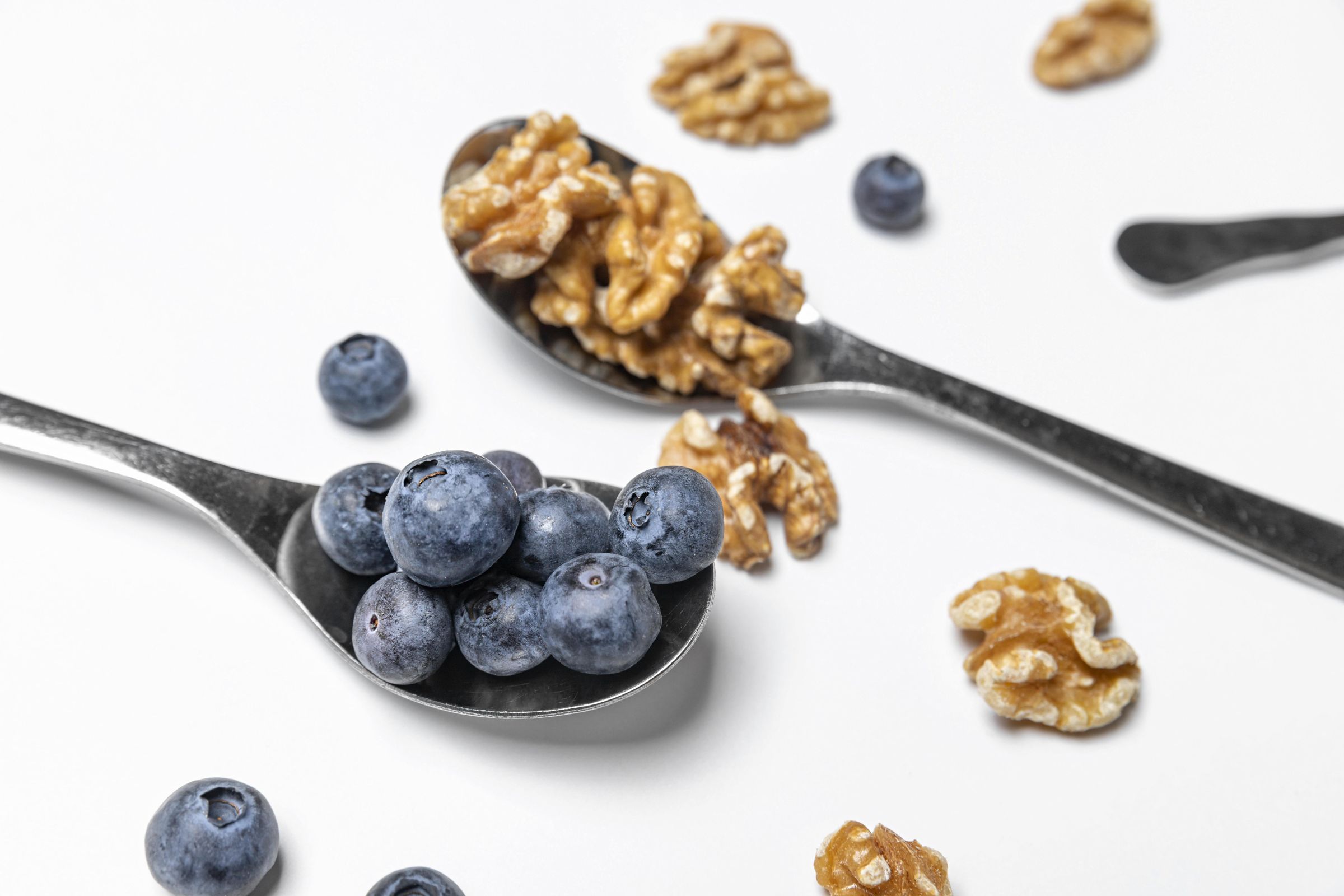
What you eat has a huge impact on your mental performance. To maintain focus throughout the day, choose foods that support brain health and provide sustained energy. Whole grains, lean proteins, healthy fats, and antioxidant-rich fruits and veggies can all help fuel your brain without the crash that comes from sugary or highly processed snacks.
Brain-Boosting Snack Ideas:
- Nuts and seeds: Rich in healthy fats and protein to keep your brain energized.
- Blueberries: Packed with antioxidants that support memory and cognitive function.
- Avocado toast: A great combination of healthy fats and complex carbs for sustained energy.
- Hummus and veggies: A nutrient-dense snack that supports focus and productivity.
Become a Focus Ninja with These Caffeine Hacks
By using these caffeine hacks, you can maximize your focus and mental performance without going overboard. Whether you’re microdosing caffeine to keep your energy steady, timing your caffeine intake for peak performance, or stacking it with L-theanine for smooth, sustained focus, these hacks are sure to boost your brainpower.
So, the next time you’re in need of a little extra focus, keep these caffeine strategies in your back pocket. Drink smart, drink steady, and conquer your to-do list like the productivity ninja you are.