5 Specialty Coffee Beans That’ll Ruin Starbucks for You Forever
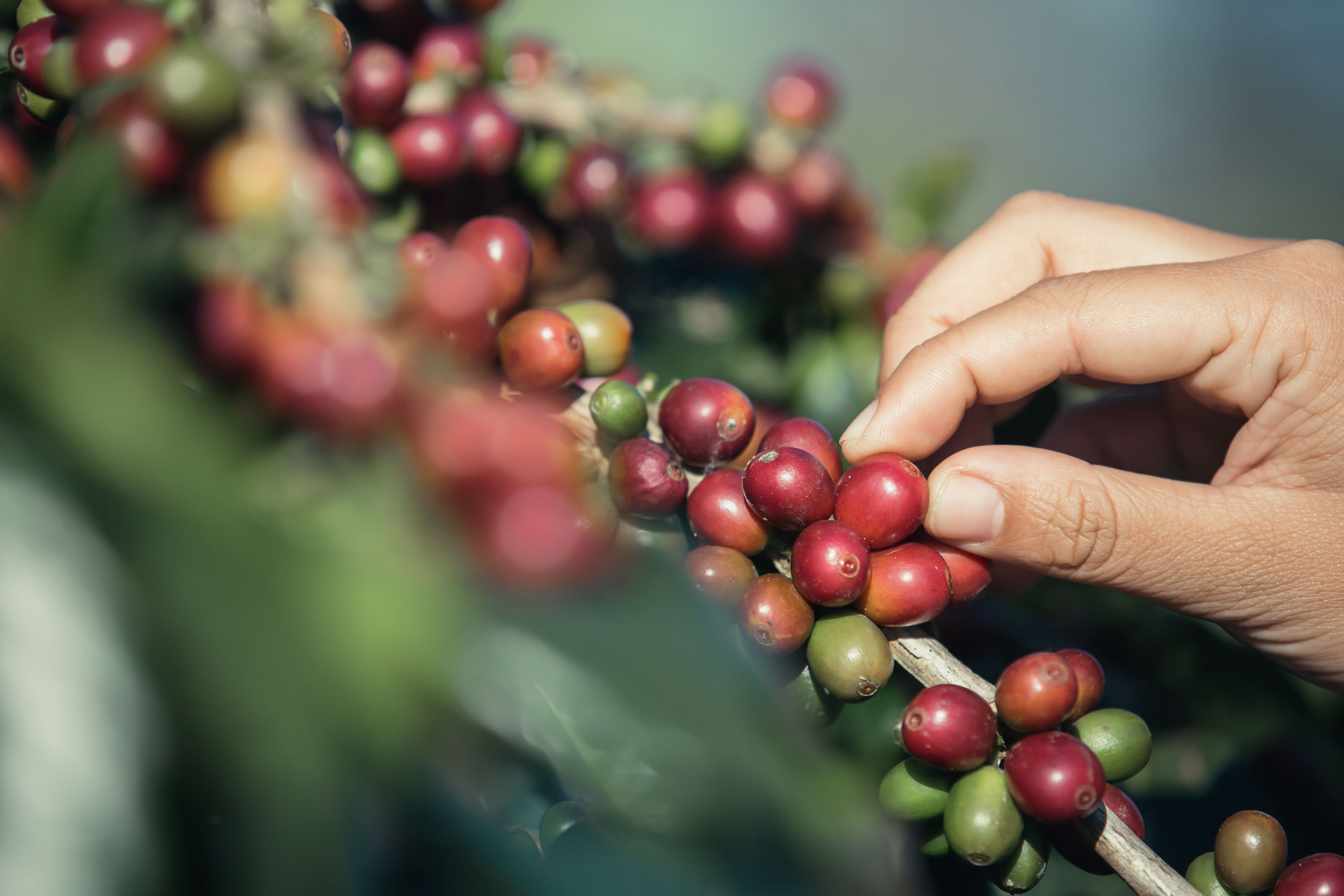
If you think Starbucks is the pinnacle of coffee greatness, we’ve got some delicious news for you: you’ve only scratched the surface of what coffee can truly be. Enter the world of specialty coffee, where every sip tells a story and every bag of coffee beans is a passport to flavor paradise. This isn’t your average drive-thru brew—these beans are hand-picked, small-batch roasted, and bursting with character. Once you taste what real, specialty coffee beans can do, your usual order at the mermaid cafe might just start tasting like hot disappointment.
What Really Makes Coffee Beans Taste So Wildly Different?
If you’ve ever wondered why one coffee tastes like chocolate and nuts, while another bursts with blueberry and jasmine, you’re not alone — and you’re not imagining things. Coffee isn't just one flavor; it's a symphony of thousands of chemical compounds, shaped by everything from the altitude it's grown at to how it's dried after picking.
So what really makes one bag of beans taste like fruit punch and another like campfire s’mores?
Let’s break it down — from seed to cup, here are the major factors that create that mind-blowing variety in specialty coffee flavors.
1. Origin & Terroir
(aka: Where it’s grown and what’s in the dirt)
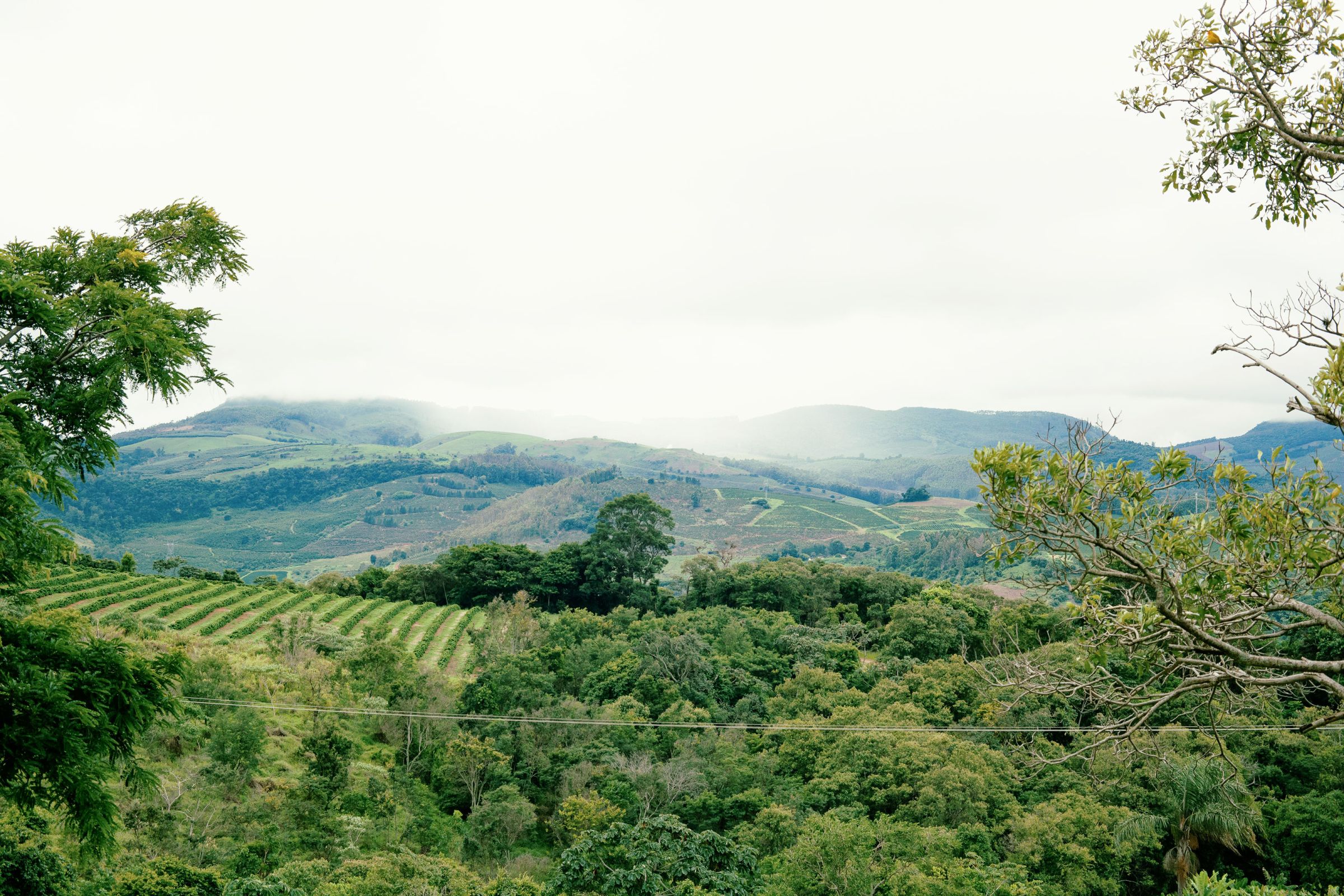
Just like wine, terroir (French for “the characteristics of a place”) plays a huge role in coffee flavor. Soil composition, rainfall, sun exposure, wind patterns, elevation, and even the trees nearby all affect how a coffee plant grows — and how its beans taste.
Why It Matters:
- Volcanic soil = more minerals = richer flavor
- Dry climates produce denser, slower-growing beans (more complex)
- Tropical regions with shade = higher sweetness & acidity
A bean grown in the highlands of Ethiopia will taste wildly different from one grown in a low-altitude Brazilian farm, even if it's the same species.
2. Coffee Variety (aka Cultivar or Genetic Type)
There are over 120 species of coffee, but two dominate the global market: Arabica (specialty coffee) and Robusta (budget commercial stuff). Within Arabica, though, there are hundreds of varietals — think of them like breeds of dogs, or grape types in wine.
Some varietals are prized for fruitiness (e.g., Geisha), while others are bred for hardiness or higher yield.
Common Specialty Varietals:
- Geisha: intensely floral, tropical fruit, delicate
- SL28/SL34: high acidity, blackcurrant, juicy (Kenya)
- Bourbon: balanced, sweet, chocolatey
- Pacamara: big beans, bold flavors, often spicy or herbal
- Pink Bourbon: unique hybrid, candy-sweet, berry-like
Genetics = flavor potential. A boring bean won’t suddenly taste amazing just because it was roasted by a hipster.
3. Altitude
Higher altitude = lower temperatures, which slows the coffee cherry’s maturation. This gives more time for sugars and acids to develop inside the bean.
Rule of Thumb:
- Higher altitude (1,600m+) = brighter, more acidic, complex coffee
- Lower altitude (under 1,200m) = mellow, nutty, earthy flavors
That’s why Ethiopian, Kenyan, and Panamanian coffees (often grown high up in the mountains) are bursting with flavor, while lowland beans tend to be more subtle.
Basically, high-altitude beans are the mountain yogis of coffee: slow, complex, and full of inner balance.
4. Processing Method
(aka: How the fruit is removed from the bean)
This is one of the biggest flavor shapers in coffee — and most people don’t even know it exists!
Common Processing Methods:
Washed (Wet-Processed)
- Removes all the fruit before drying
- Produces clean, bright, crisp flavors
- Common in: Ethiopia, Kenya, Colombia
Natural (Dry-Processed)
- Coffee cherry dried with the fruit still on
- Adds fruitiness, funk, body
- Common in: Brazil, Ethiopia, Yemen
Anaerobic Fermentation
- Coffee ferments in sealed tanks without oxygen
- Creates wild, fermented, winey or boozy flavors
- Popular in: Colombia, Costa Rica, Sumatra
Honey Process
- Some fruit is left on during drying
- Adds sweetness, body, and mild fruit notes
- Common in: Central America
Want a clean cup? Go washed. Want your coffee to taste like berry cobbler? Go natural or anaerobic.
5. Roasting Style
The roast profile unlocks — or destroys — the flavors inside your coffee beans.
Roast Breakdown:
- Light Roast: Retains origin flavor, high acidity, fruity/floral
- Medium Roast: Balanced, brings sweetness and body
- Dark Roast: Roasty, bitter, smoky — often masks origin flavors
Specialty roasters carefully profile roast curves to enhance natural flavors. Meanwhile, mass-market roasters (like Starbucks) often dark-roast for consistency — which flattens unique flavor notes into generic “coffee” taste.
Lightly roasted Kenya = blackcurrant and citrus. Dark-roasted Kenya = charred wood.
6. Freshness & Storage
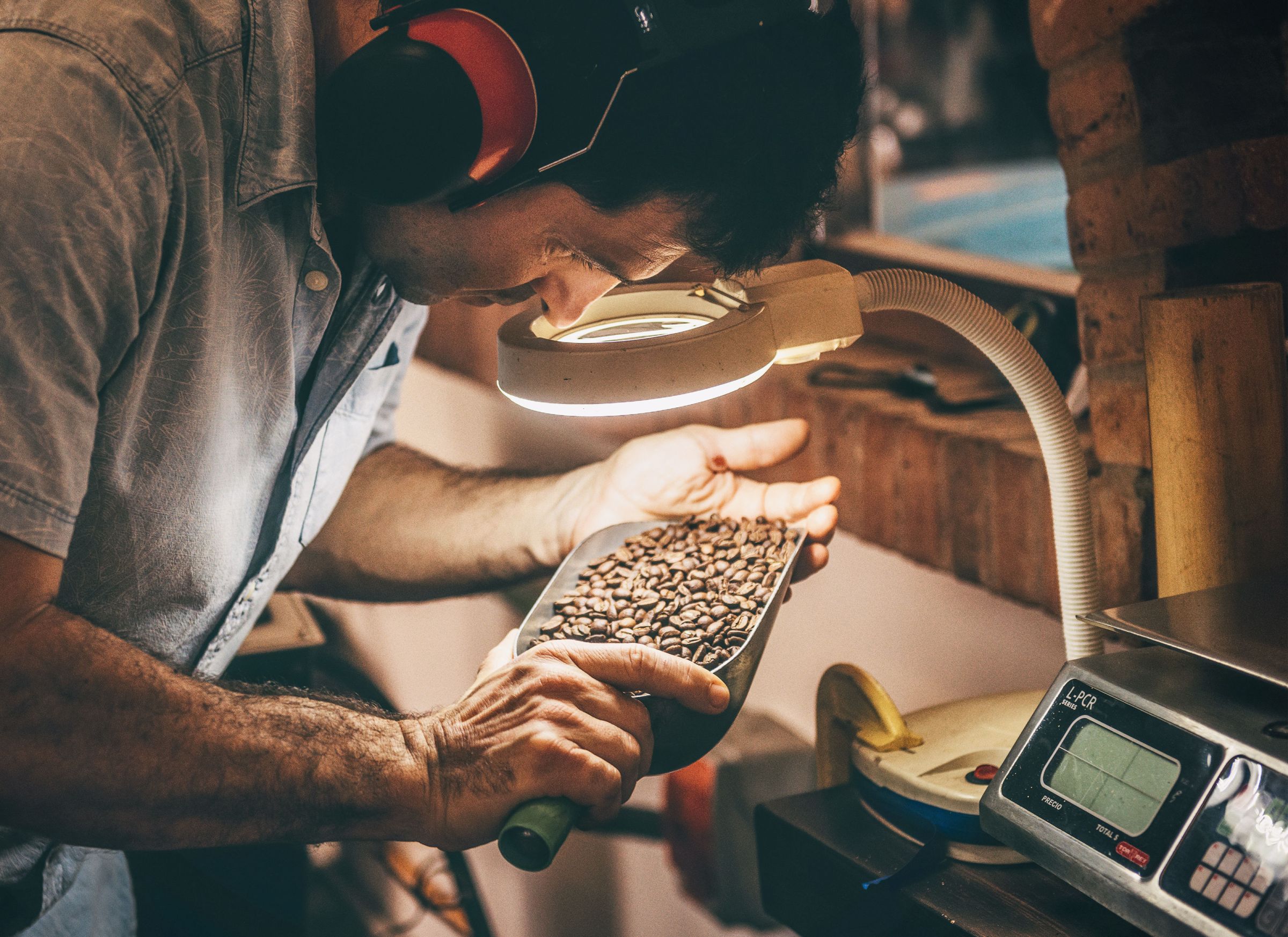
Coffee is a fresh food, not a pantry staple. The more recently it was roasted (and the better it was stored), the better it will taste. Old beans taste flat, woody, or stale — no matter how fancy the origin.
Tips:
- Use beans within 2–4 weeks of roast date
- Store in airtight container, away from light, heat, and moisture
- Grind only what you need (fresh ground = better flavor)
If your beans don’t have a roast date, it’s a red flag. Starbucks, we’re looking at you.
7. Brewing Method (You’re Not Off the Hook Yet)
Even the best beans in the world can be ruined by bad brewing. Your grinder, water temperature, ratio, and brew style all affect the final flavor.
Flavor by Brew Method:
- Pour-over (V60, Chemex) = clarity, brightness
- French Press = full-bodied, bold
- Espresso = intense, syrupy, often less nuance
- AeroPress = versatile, clean or rich depending on method
Want to experience flavor separation? Brew your light-roast beans with a pour-over.
Why Coffee Beans Taste So Different
| Factor | Affects | Flavor Impact |
| Origin & Terroir | Soil, climate | Underlying flavor potential |
| Variety (Genetics) | Bean type | Floral, fruity, nutty, etc. |
| Altitude | Sugar & acid development | Complexity, brightness |
| Processing | Fruit removal method | Clean vs. fruity vs. funky |
| Roast | Heat profile | Sweetness, bitterness, clarity |
| Freshness | Time & storage | Vibrancy vs. staleness |
| Brewing | Method, tools, water | Final flavor delivery |
Let’s face it — once you’ve had truly specialty coffee, there’s no going back. Suddenly, your regular cup starts tasting like brown water, and that fancy Starbucks order? Just sweet, expensive disappointment. But what exactly makes some coffee taste like tropical fruit or fresh flowers, while others taste... like burnt toast? It all comes down to the beans.
We’ve rounded up five mind-blowing specialty coffee beans that showcase just how wild, complex, and delicious coffee can really be. From delicate florals to jammy berry bombs, these aren’t your average morning brews — they’re flavor-packed experiences that might just ruin your usual coffee shop for good.
1. Ethiopia Yirgacheffe – The Jasmine Bomb
Origin: Yirgacheffe, Ethiopia
Best From: Onyx Coffee Lab, Passenger Coffee, Verve
What Makes It Special:
- High-altitude farms (1,900–2,200+ meters above sea level)
- Rich volcanic soil + heirloom varietals
- Washed processing (for clarity and brightness)
- Smallholder farms using traditional methods
Yirgacheffe beans are often grown by small communities in lush, mountainous regions. The high altitude causes the coffee cherries to mature slowly, which concentrates sugars and acids — much like growing grapes for wine. The washed process (removing the fruit from the bean before drying) gives the coffee a crisp, clean taste that highlights delicate floral and citrus notes.
Think of it like a clean, high-pitched flute solo vs. the heavy drums of a dark roast.
Tasting Notes:
- Jasmine
- Lemon zest
- Peach
- Clean tea-like body
Drinking a good Yirgacheffe is like sipping on a cup of sunshine in a flower field while someone peels citrus in the background. Yeah, it’s that poetic.
Starbucks could never. Their “Ethiopia blend” tastes like this one’s distant cousin who forgot to call home.
2. Panama Geisha – The Champagne of Coffee
Origin: Boquete, Panama
Best From: Finca Hartmann, Hacienda La Esmeralda, Proud Mary
What Makes It Special:
- Rare Geisha varietal: genetically unique
- Grown at extreme altitudes (up to 2,200m)
- Ideal microclimates in Panama’s Boquete region
- Often washed or natural processed for complexity
Geisha (also spelled Gesha) is a bean that thrives in specific conditions — and Panama nails it. It’s naturally aromatic and fruity, with a long, delicate flavor finish. Add the insane elevation and meticulous processing, and you get a coffee so complex it feels more like a fancy tea or tropical cocktail than your average brew.
It’s the “champagne of coffee” for a reason.
Tasting Notes:
- Bergamot
- Tropical fruit (mango, lychee, pineapple)
- Honeysuckle
- Sparkling acidity
If coffee had a red carpet, Panama Geisha would strut down it wearing a couture tux made of mango skins. This bean is so absurdly good—and expensive—it has its own legend status.
Is it pricey? Yes. Worth it? Also yes. Starbucks can keep their $6 frappuccino. You’re drinking history.
3. Colombia Pink Bourbon – The Fruit-Punch Powerhouse
Origin: Huila, Colombia
Best From: La Palma y El Tucán, Coffee Collective, Sey Coffee
What Makes It Special:
- Unique hybrid varietal (red & yellow Bourbon cross)
- High sugar content in cherries = sweeter cup
- Often washed or anaerobically fermented
- Grown in Huila, one of Colombia’s most diverse regions
Pink Bourbon isn’t just cute by name—it’s a sweet, fruit-forward stunner. Thanks to its genetic lineage and altitude (1,800m+), this bean produces a cup that tastes like fruit punch or cherry cola. Many producers now apply anaerobic fermentation, which turbocharges fruitiness while adding complexity and body.
Like jam on toast — but in liquid, caffeinated form.
Tasting Notes:
- Strawberry jam
- Red grapes
- Cherry cola
- Smooth body, candy sweetness
Pink Bourbon isn’t your average Colombian bean. It’s a rare hybrid of red and yellow Bourbon varietals, and when grown at high elevations, it turns into a candy-sweet dream. Expect layers of fruitiness that punch you in the taste buds—in the best way.
It’s the kind of coffee you sip and then look at the bag like, “How is this real?”
Starbucks’ Pike Place tastes like brown water next to this berry bomb.
4. Kenya AA – The Tomato Soup Surprise (Yes, Really)
Origin: Nyeri, Kenya
Best From: Heart Roasters, Tim Wendelboe, George Howell
What Makes It Special:
- Grown in iron-rich, red volcanic soil
- Typically SL28 and SL34 varietals = complex, high-acid beans
- Wet-processed with double fermentation
- High elevation (1,600–2,000m)
Kenyan coffees are like the extroverts of the coffee world: loud, vibrant, and impossible to ignore. The double fermentation method (a Kenyan signature) creates ultra-clean, bold flavors. Add in the unique varietals and the fertile Rift Valley soil, and you get blackcurrant, tomato, and citrus bombs with a syrupy body and a tangy brightness.
Weirdly delicious. Not your average bean. Not your average day.
Tasting Notes:
- Blackcurrant
- Tomato
- Grapefruit
- Syrupy body, intense brightness
Weird combo? Maybe. Delicious? Absolutely. Kenya AA coffees are known for their wild, savory acidity and complex fruitiness. Think of it as coffee for people who don’t want their cup to taste like dessert—they want it to taste like a science experiment gone incredibly right.
If you like red wine or sour beer, this is your bean soulmate.
Starbucks would never risk this level of flavor chaos. Too bold. Too brilliant.
5. Sumatra Anaerobic – The Funky Fermentation
Origin: Aceh, Sumatra
Best From: Manhattan Coffee Roasters, Indonesian Artisan Coffee, Sweet Bloom
What Makes It Special:
- Grown in humid, forested highlands (1,200–1,600m)
- Anaerobic fermentation adds wild, funky flavors
- Traditionally heavy, earthy beans—now reimagined
- Unique microbial environment in Indonesia
Sumatra is known for earthy, chocolatey coffees—often processed using wet-hulling (which gives a bold, low-acid profile). But when experimental producers apply anaerobic fermentation (sealed, oxygen-free tanks), it completely reinvents the bean. The result? A fermented, berry-forward cup with spice, funk, and syrupy depth that feels more like sipping spiced wine than coffee.
If you like weird, bold, and slightly rebellious flavors—this bean is your new best friend.
Tasting Notes:
- Fermented berries
- Spice cabinet
- Dark chocolate
- Funky, syrupy finish
This is not a subtle cup. It’s bold, weird, and wildly addictive. If you want to impress your friends or confuse them in equal measure, this is your brew.
Warning: Drinking this might make you accidentally develop a coffee snob personality.
Why Starbucks Just Can’t Compete
Let’s be real for a sec. Starbucks is convenient. It’s everywhere. But it's also mass-produced, dark-roasted for consistency, and designed to taste “safe.”
Here’s how specialty beans stack up:
| Feature | Starbucks | Specialty Beans |
| Roast Level | Mostly dark (aka burnt) | Light-to-medium to preserve origin flavors |
| Bean Origin | Often blends | Single-origin, traceable |
| Processing | Industrial | Artisan (natural, washed, anaerobic) |
| Tasting Notes | “Coffee” | “Peach jam with hibiscus and cocoa nibs” |
| Experience | Caffeine fix | Flavor journey |
Your Tastebuds Deserve Better
If you’ve made it this far, congrats—you’re ready to graduate from “coffee drinker” to “coffee explorer.” Whether you're ordering online, hitting up a local roaster, or diving into home brewing, these five specialty beans are your gateway to a new world.
One warning: once you try them, there’s no going back to the mermaid.